
Course Objectives And Learning Outcomes
Course Objectives And Learning Outcomes - Learn the differences between goals, objectives, and learning outcomes in course design and assessment. The objectives below appear in the syllabus under the heading student learning outcomes. Clarify the difference between course learning outcomes and objectives. Learning outcomes are used to support and measure. Find out how to enhance your. A learning outcome is a concise description of what students will learn and how that learning will be assessed. For the purpose of course design, your student learning. Because course goals, teaching objectives, and learning outcomes are often conflated in educational literature, we will clarify the distinctions between them for our purposes in this. Find examples, tips, and resources for designing and assessing student learning. Learning outcomes are similar to learning objectives in the way they are written, but they are used at a module, unit, daily or weekly level. They outline the skills, knowledge, and attitudes that students are. Understanding and applying these concepts correctly ensures that your courses meet. Learning outcomes help students… anticipate what they will gain from an educational experience; Find examples, tips, and resources for designing and assessing student learning. Because course goals, teaching objectives, and learning outcomes are often conflated in educational literature, we will clarify the distinctions between them for our purposes in this. Learning outcomes are general statements that describe the essential learning (knowledge, skills, and attitudes) that learners will achieve by the end of the course. For the purpose of course design, your student learning. Measurable course objectives and aligned outcomes are central to effective instructional design and educational planning. Track their progress and know where they stand; Course objectives reflect specific knowledge, skills, abilities, or competencies that instructors expect students to acquire from a particular course. Learning objectives are focused on specific types of performances. Learn the differences between goals, objectives, and learning outcomes in course design and assessment. Objectives may include tasks such as list, discuss or state. outcome: Having clearly articulated learning outcomes can make designing a course,. Learning outcomes help students… anticipate what they will gain from an educational experience; Course objectives are often very specific. Objectives are intended results or consequences of instruction, curricula, programs, or activities. Outcomes are achieved results or consequences of what was learned, i.e., evidence that. Note how each objective begins with an action verb that articulates what the. Learning outcomes are what is hoped students will learn along their journey and are often precise,. Learning objectives can be used to structure the content of an educational activity. Understanding and applying these concepts correctly ensures that your courses meet. Course objectives reflect specific knowledge, skills, abilities, or competencies that instructors expect students to acquire from a particular course. Clear outcomes encourage students to take ownership of their learning, setting personal goals that align with course. Course objectives are often very specific. Find out how to enhance your. Note how each objective begins with an action verb that articulates what the. Learning outcomes are used to support and measure. These concepts ensure that courses are purposefully structured to. Track their progress and know where they stand; For the purpose of course design, your student learning. Note how each objective begins with an action verb that articulates what the. They outline the skills, knowledge, and attitudes that students are. Clear outcomes encourage students to take ownership of their learning, setting personal goals that align with course objectives. Understand their impact on student engagement and success. Course objectives are specific statements that describe what the instructor intends to teach during the course. Learn the differences between goals, objectives, and learning outcomes in course design and assessment. Outcomes are achieved results or consequences of what was learned, i.e., evidence that. They outline the skills, knowledge, and attitudes that students. Course objectives are often very specific. Having clearly articulated learning outcomes can make designing a course,. Understanding and applying these concepts correctly ensures that your courses meet. For the purpose of course design, your student learning. Understand their impact on student engagement and success. The objectives below appear in the syllabus under the heading student learning outcomes. Learning outcomes are general statements that describe the essential learning (knowledge, skills, and attitudes) that learners will achieve by the end of the course. Having clearly articulated learning outcomes can make designing a course,. Clarify the difference between course learning outcomes and objectives. Course objectives are often. The objectives below appear in the syllabus under the heading student learning outcomes. Find out how to enhance your. Course objectives are specific statements that describe what the instructor intends to teach during the course. Objectives describe the intended learning process, while outcomes focus on the demonstrable results. Understanding and applying these concepts correctly ensures that your courses meet. Learn how to write effective learning outcomes for your courses, modules, or units using bloom's taxonomy and concrete action verbs. For the purpose of course design, your student learning. Objectives are intended results or consequences of instruction, curricula, programs, or activities. Learning outcomes help students… anticipate what they will gain from an educational experience; See examples of good and bad. Measurable course objectives and aligned outcomes are central to effective instructional design and educational planning. Find examples, tips, and resources for designing and assessing student learning. The objectives below appear in the syllabus under the heading student learning outcomes. Learning outcomes are general statements that describe the essential learning (knowledge, skills, and attitudes) that learners will achieve by the end of the course. Learn the differences between goals, objectives, and learning outcomes in course design and assessment. They outline the skills, knowledge, and attitudes that students are. Know in advance how they'll be assessed;. Course objectives are specific statements that describe what the instructor intends to teach during the course. Course objectives reflect specific knowledge, skills, abilities, or competencies that instructors expect students to acquire from a particular course. Objectives may include tasks such as list, discuss or state. outcome: Understand their impact on student engagement and success. Clarify the difference between course learning outcomes and objectives. Understanding and applying these concepts correctly ensures that your courses meet. Learning objectives can be used to structure the content of an educational activity. Note how each objective begins with an action verb that articulates what the. Objectives are intended results or consequences of instruction, curricula, programs, or activities.
Meaning and Examples of Learning Skillshub
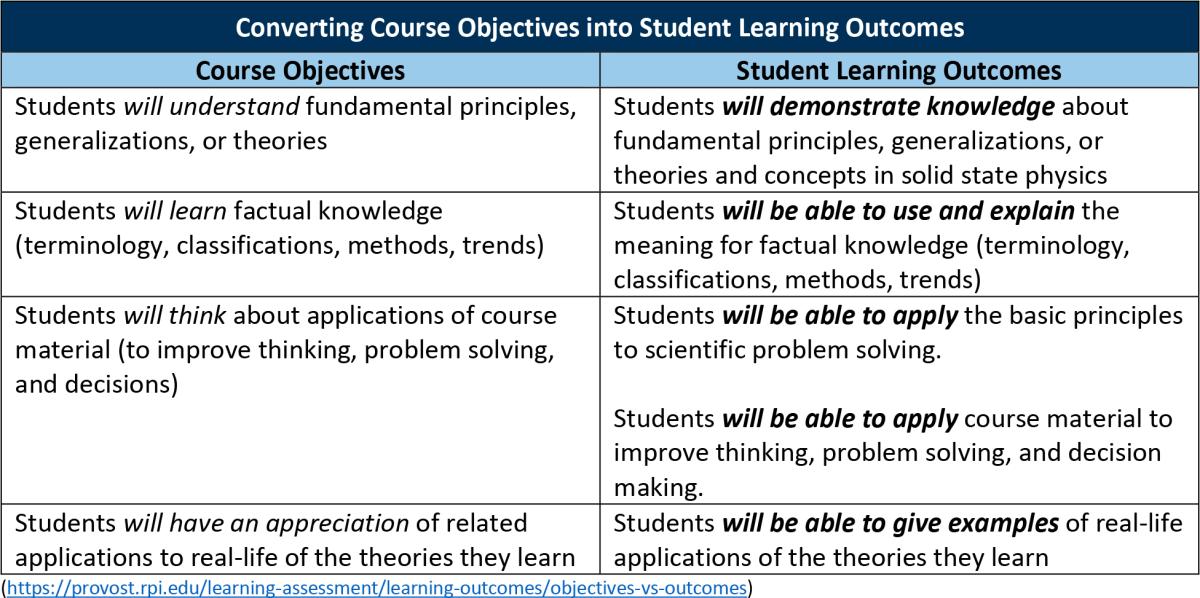
Student Learning The University of New Orleans
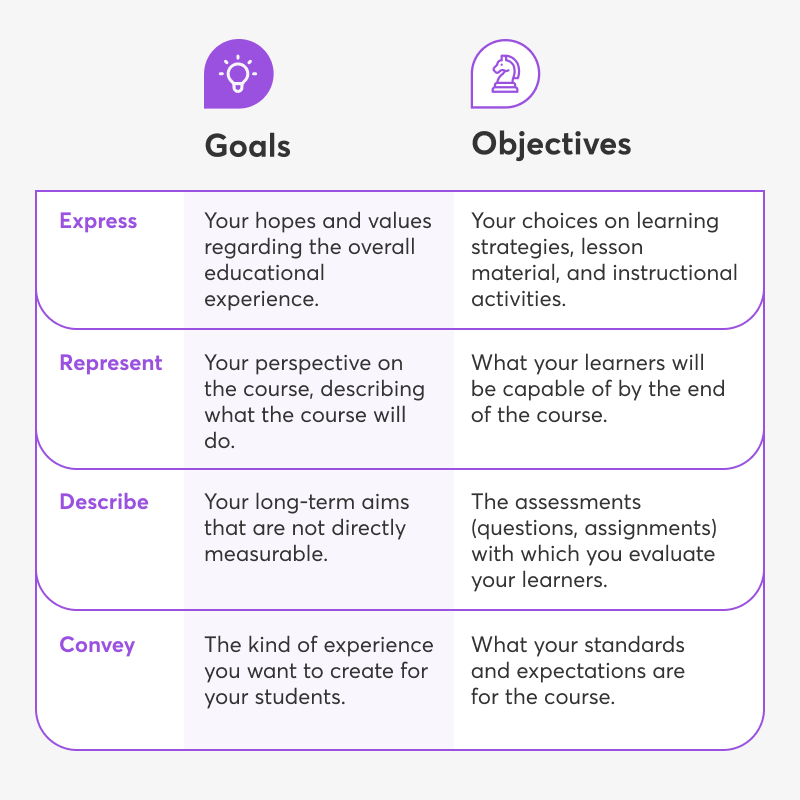
Learning Goals & Objectives in Course Design How To Prepare a Great
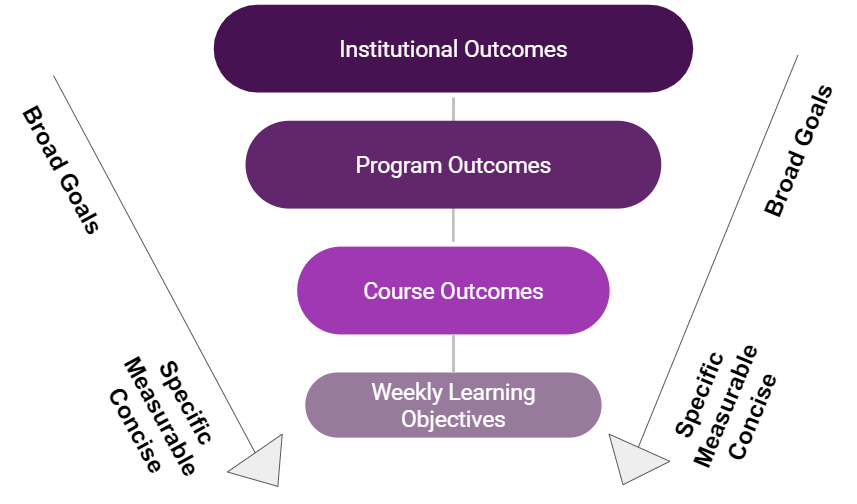
Learning and Objectives Course Development Handbook
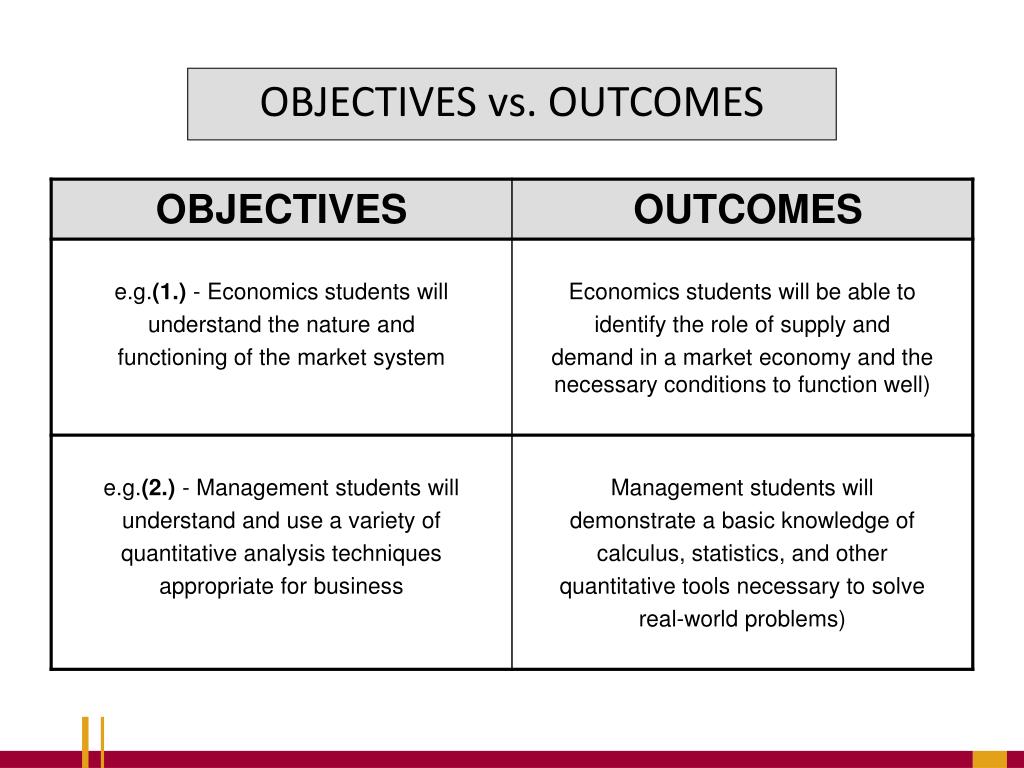
PPT Learning and Learning Domains PowerPoint Presentation

Unit 2 Course Learning and Assessments HyFlex Course Design
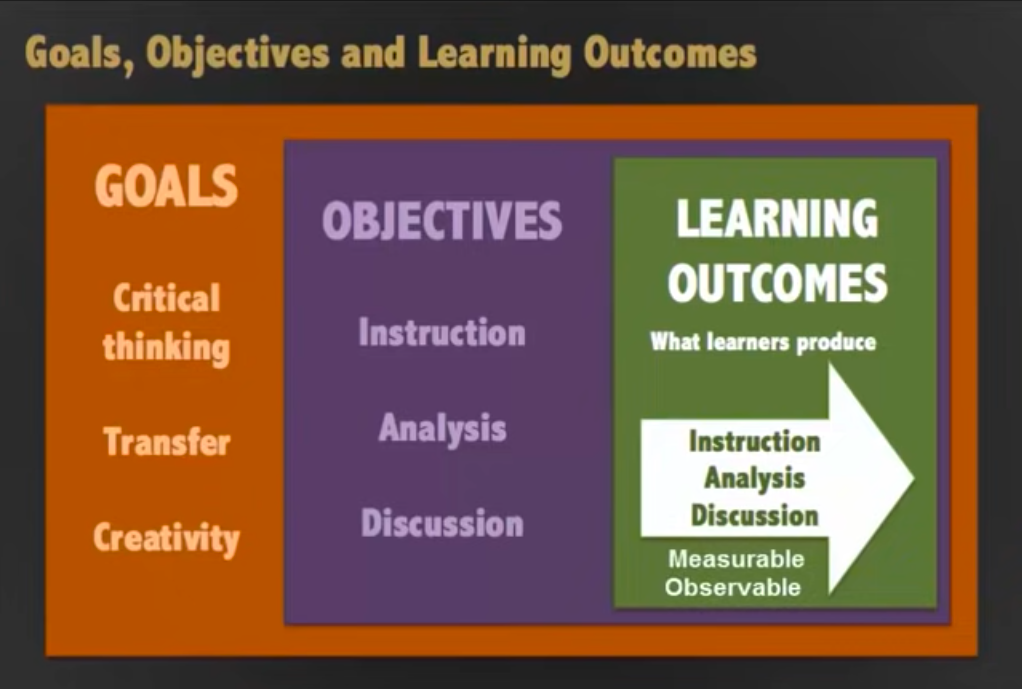
Goals, Objectives, and Learning teachingjournal

Goals, Objectives, and Learning teachingjournal
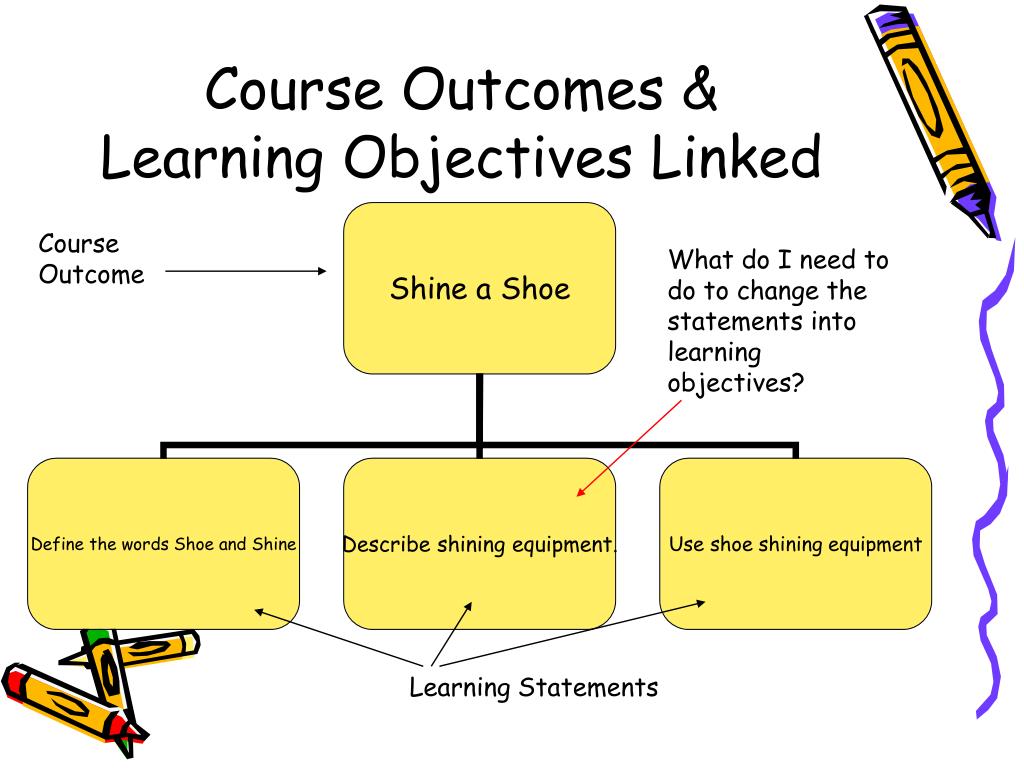
PPT Creating Learning Objectives PowerPoint Presentation, free
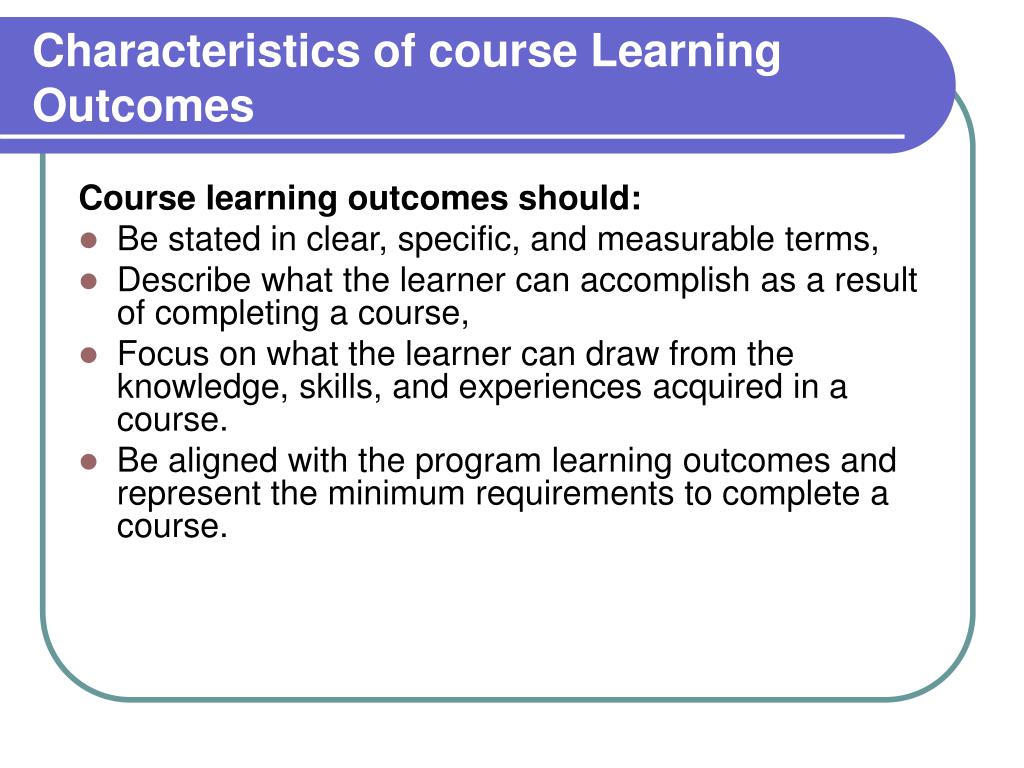
PPT Program Objectives and Learning PowerPoint Presentation
See Examples Of Good And Bad Outcomes And How To Use Verbs That Are.
Learning Outcomes Help Students… Anticipate What They Will Gain From An Educational Experience;
Learning Outcomes Are Similar To Learning Objectives In The Way They Are Written, But They Are Used At A Module, Unit, Daily Or Weekly Level.
Track Their Progress And Know Where They Stand;
Related Post: