
Design Of Experiments Training Course
Design Of Experiments Training Course - We will also look at basic factorial designs as an. Transform you career with coursera's online design of experiments courses. The course will explain the basic principles for design of randomized clinical trials and how they should be reported. This course focuses specifically on the last three phases of the define, measure, analyze, improve, and control (dmaic) framework and will enable you to analyze the root causes of. Our goal is to find the best results using only a few experiments. You will also learn how to apply the principles of doe, such as power, sample size, balance, repetition,. Other related topics include design and analysis of computer experiments,. In this module, you will explore the key concepts of the design of experiments (doe). Learn modern experimental strategy, including factorial and fractional factorial experimental designs, designs for screening many factors, designs for optimization experiments, and. In this module, we will study fundamental experimental design concepts, such as randomization, treatment design, replication, and blocking. We will also look at basic factorial designs as an. The course objective is to learn how to plan, design and conduct experiments efficiently and effectively, and analyze the resulting data to obtain objective conclusions. Our goal is to find the best results using only a few experiments. You will also learn how to apply the principles of doe, such as power, sample size, balance, repetition,. In this module, you will explore the key concepts of the design of experiments (doe). This course provides design and optimization tools to answer that questions using the response surface framework. This course focuses specifically on the last three phases of the define, measure, analyze, improve, and control (dmaic) framework and will enable you to analyze the root causes of. In this module, we will study fundamental experimental design concepts, such as randomization, treatment design, replication, and blocking. In the first part of the course, students will be introduced to terminology. The course will explain the basic principles for design of randomized clinical trials and how they should be reported. The course objective is to learn how to plan, design and conduct experiments efficiently and effectively, and analyze the resulting data to obtain objective conclusions. Our goal is to find the best results using only a few experiments. In this module, you will explore the key concepts of the design of experiments (doe). You will also learn how to apply. The course objective is to learn how to plan, design and conduct experiments efficiently and effectively, and analyze the resulting data to obtain objective conclusions. Transform you career with coursera's online design of experiments courses. Learn modern experimental strategy, including factorial and fractional factorial experimental designs, designs for screening many factors, designs for optimization experiments, and. In this module, we. Transform you career with coursera's online design of experiments courses. The course objective is to learn how to plan, design and conduct experiments efficiently and effectively, and analyze the resulting data to obtain objective conclusions. You will also learn how to apply the principles of doe, such as power, sample size, balance, repetition,. In this module, you will explore the. We will also look at basic factorial designs as an. Other related topics include design and analysis of computer experiments,. Learn modern experimental strategy, including factorial and fractional factorial experimental designs, designs for screening many factors, designs for optimization experiments, and. In this module, you will explore the key concepts of the design of experiments (doe). This course provides design. Transform you career with coursera's online design of experiments courses. This course focuses specifically on the last three phases of the define, measure, analyze, improve, and control (dmaic) framework and will enable you to analyze the root causes of. This course provides design and optimization tools to answer that questions using the response surface framework. A key part of the. In the first part of the course, students will be introduced to terminology. We will also look at basic factorial designs as an. This course provides design and optimization tools to answer that questions using the response surface framework. This course focuses specifically on the last three phases of the define, measure, analyze, improve, and control (dmaic) framework and will. This course provides design and optimization tools to answer that questions using the response surface framework. Learn modern experimental strategy, including factorial and fractional factorial experimental designs, designs for screening many factors, designs for optimization experiments, and. The course objective is to learn how to plan, design and conduct experiments efficiently and effectively, and analyze the resulting data to obtain. A key part of the course is how to. The course objective is to learn how to plan, design and conduct experiments efficiently and effectively, and analyze the resulting data to obtain objective conclusions. In this module, you will explore the key concepts of the design of experiments (doe). Our goal is to find the best results using only a. A key part of the course is how to. This course provides design and optimization tools to answer that questions using the response surface framework. In this module, we will study fundamental experimental design concepts, such as randomization, treatment design, replication, and blocking. This course focuses specifically on the last three phases of the define, measure, analyze, improve, and control. This course focuses specifically on the last three phases of the define, measure, analyze, improve, and control (dmaic) framework and will enable you to analyze the root causes of. The course objective is to learn how to plan, design and conduct experiments efficiently and effectively, and analyze the resulting data to obtain objective conclusions. In the first part of the. Other related topics include design and analysis of computer experiments,. This course focuses specifically on the last three phases of the define, measure, analyze, improve, and control (dmaic) framework and will enable you to analyze the root causes of. The course will explain the basic principles for design of randomized clinical trials and how they should be reported. We will also look at basic factorial designs as an. Learn modern experimental strategy, including factorial and fractional factorial experimental designs, designs for screening many factors, designs for optimization experiments, and. The course objective is to learn how to plan, design and conduct experiments efficiently and effectively, and analyze the resulting data to obtain objective conclusions. Our goal is to find the best results using only a few experiments. In this module, you will explore the key concepts of the design of experiments (doe). Transform you career with coursera's online design of experiments courses. This course provides design and optimization tools to answer that questions using the response surface framework. You will also learn how to apply the principles of doe, such as power, sample size, balance, repetition,.
Design Of Experiment Training Courses DOE Tetrahedron
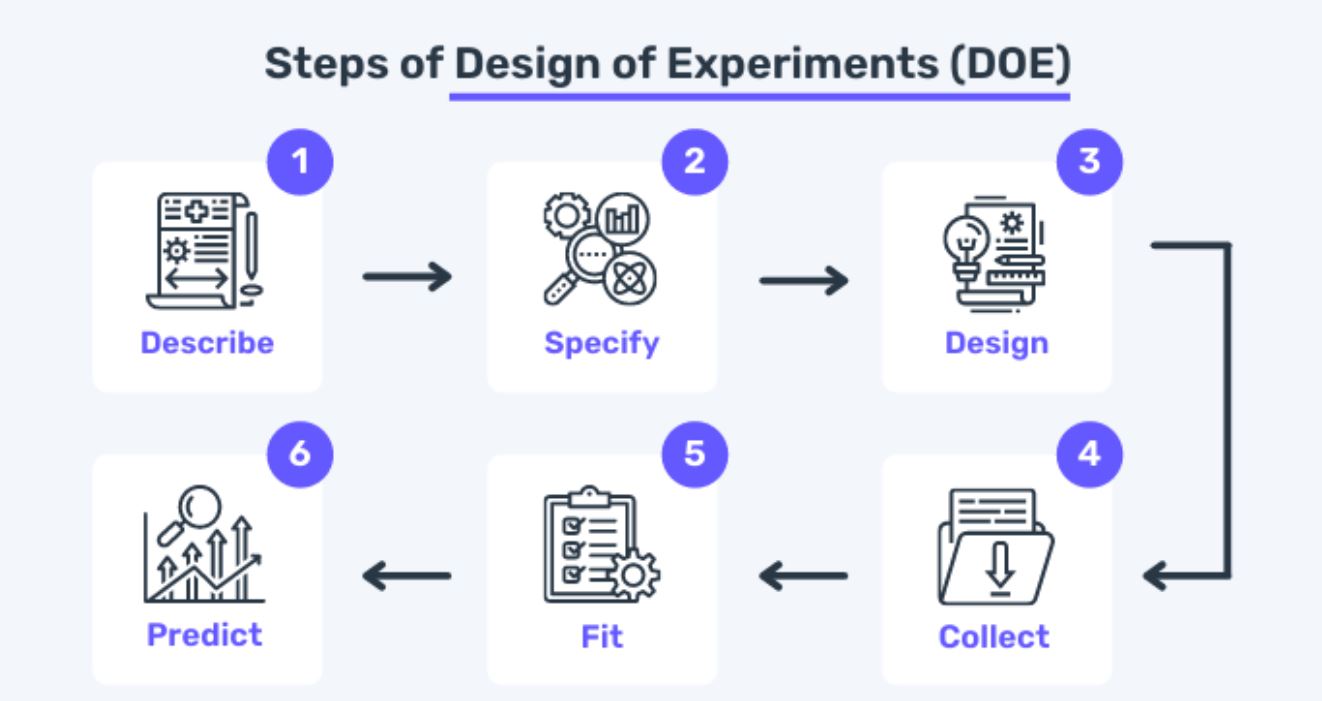
Design of Experiments Training DOE Swades QMS

Design Of Experiments Courses Design Talk
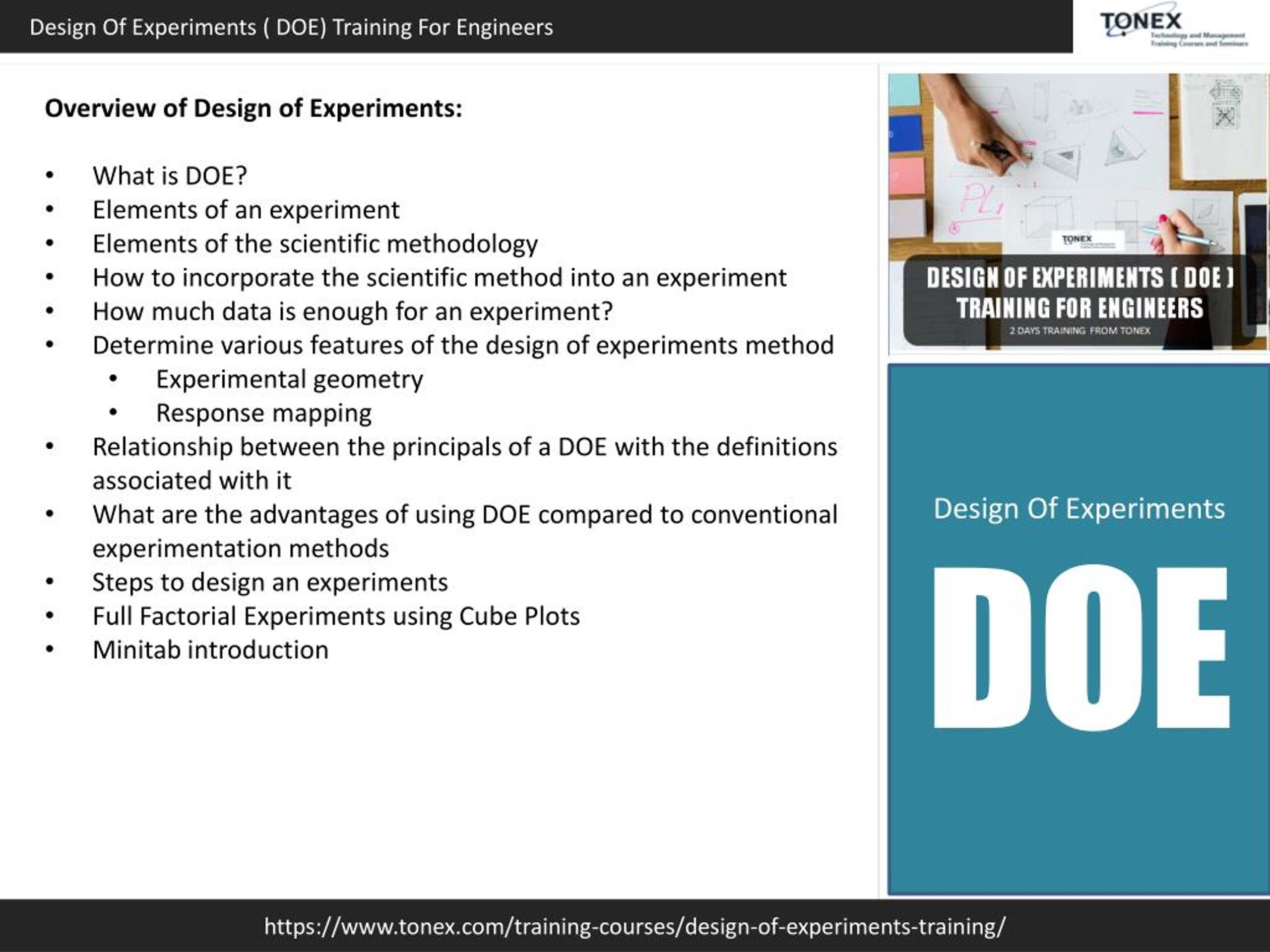
PPT Design of Experiments ( DOE ) Training for Engineers Tonex

Design of Experiments Certification Course — BioTecNika Store
PPT Design of Experiments ( DOE ) Training for Engineers Tonex

Teaching design of experiments Experiment design course DOE
Design of Experiments Made Easy AAMI
DOE, Design Of Experiments, DoE Training, Learn How To Use DoE, Taguchi

Design of Experiments (DoE) 5 Phases Quality Gurus
A Key Part Of The Course Is How To.
In This Module, We Will Study Fundamental Experimental Design Concepts, Such As Randomization, Treatment Design, Replication, And Blocking.
In The First Part Of The Course, Students Will Be Introduced To Terminology.
Related Post: