
General Chemistry Course Outline
General Chemistry Course Outline - General chemistry 1 covers all of the topics typically covered in first semester general chemistry and includes both formative assessments, with high scaffolding, and end of unit and module. General chemistry 1 covers the nature of matter, stoichiometry, basic chemical reactions, thermochemistry, atomic structure and the periodic table, and chemical bonding. Study of fundamental principles of chemistry emphasizing atomic theory and structure, chemical bonding, periodic trends, thermochemistry, nuclear chemistry, aqueous solutions,. Solve both qualitative and quantitative chemistry problems while. Apply the scientific method to analyze a problem and draw conclusions from data and. Use equilibrium expressions to calculate concentrations and predict which way a chemical reaction will go. Demonstrate the quantitative skills needed to succeed in general chemistry. Gas laws and the kinetic theory of gases;. Create useful conversion factors from standard units, densities, percentages,. Read and interpret graphs and data. Demonstrate a knowledge of and the ability to critically analyze the principles of chemistry. Create useful conversion factors from standard units, densities, percentages,. Use equilibrium expressions to calculate concentrations and predict which way a chemical reaction will go. Demonstrate the quantitative skills needed to succeed in general chemistry. Topics covered include stoichiometry, atomic and molecular structure, and states of matter. Kinetic molecular theory and gas laws, intermolecular forces, chemical. Chm 101 is a general chemistry course designed to introduce a variety of concepts and principles that are fundamental to the study of chemistry. Communicate chemical and physical processes at the molecular level and how they relate to the macroscopic environment. This course will enable the student to improve knowledge of basic math skills, demonstrate the scientific method, utilize scientific materials in the laboratory, and apply scientific reasoning to. Solve both qualitative and quantitative chemistry problems while. Communicate chemical and physical processes at the molecular level and how they relate to the macroscopic. General chemistry 1 covers the nature of matter, stoichiometry, basic chemical reactions, thermochemistry, atomic structure and the periodic table, and chemical bonding. It outlines 10 weeks of topics to be covered, including the particulate. To obtain credit for the course, all three requirements below. Demonstrate the quantitative skills needed to succeed in general chemistry. Use equilibrium expressions to calculate concentrations and predict which way a chemical reaction will go. Read and interpret graphs and data. Apply the scientific method to analyze a problem and draw conclusions from data and. Synthetic methods and a synthesis project. Demonstrate a knowledge of and the ability to critically analyze the principles of chemistry. Stay ahead of classes100m+ solutions availablemore than just ai Communicate chemical and physical processes at the molecular level and how they relate to the macroscopic. Significant emphasis will be placed on. Solve both qualitative and quantitative chemistry problems while. Topics covered include stoichiometry, atomic and molecular structure, and states of matter. Use equilibrium expressions to calculate concentrations and predict which way a chemical reaction will go. To obtain credit for the course, all three requirements below must be met: Synthetic methods and a synthesis project. Communicate chemical and physical processes at the molecular level and how they relate to. Catalog course description a general course in the fundamental principles of chemistry. This course satisfies 4 credits of the natural sciences competency area of the general education requirements at farmingdale state college. Stay ahead of classes100m+ solutions availablemore than just ai Kinetic molecular theory and gas laws, intermolecular forces, chemical. To obtain credit for the course, all three requirements below. Gas laws and the kinetic theory of gases;. Topics covered include stoichiometry, atomic and molecular structure, and states of matter. This course satisfies 4 credits of the natural sciences competency area of the general education requirements at farmingdale state college. Use equilibrium expressions to calculate concentrations and predict which way a chemical reaction will go. Solve both qualitative and quantitative. This course will enable the student to improve knowledge of basic math skills, demonstrate the scientific method, utilize scientific materials in the laboratory, and apply scientific reasoning to. Topics covered include stoichiometry, atomic and molecular structure, and states of matter. Gas laws and the kinetic theory of gases;. General chemistry 1 covers all of the topics typically covered in first. Read and interpret graphs and data. Stay ahead of classes100m+ solutions availablemore than just ai Kinetic molecular theory and gas laws, intermolecular forces, chemical. Communicate chemical and physical processes at the molecular level and how they relate to the macroscopic environment. Builds on principles of general chemistry with an emphasis on the chemistry of carbon compounds for science and chemical. Significant emphasis will be placed on. Communicate chemical and physical processes at the molecular level and how they relate to the macroscopic. Stay ahead of classes100m+ solutions availablemore than just ai It outlines 10 weeks of topics to be covered, including the particulate. Catalog course description a general course in the fundamental principles of chemistry. This course satisfies 4 credits of the natural sciences competency area of the general education requirements at farmingdale state college. Synthetic methods and a synthesis project. Create useful conversion factors from standard units, densities, percentages,. Demonstrate a knowledge of and the ability to critically analyze the principles of chemistry. Gas laws and the kinetic theory of gases;. Significant emphasis will be placed on. To obtain credit for the course, all three requirements below must be met: Use equilibrium expressions to calculate concentrations and predict which way a chemical reaction will go. Kinetic molecular theory and gas laws, intermolecular forces, chemical. Catalog course description a general course in the fundamental principles of chemistry. Topics covered include stoichiometry, atomic and molecular structure, and states of matter. Communicate chemical and physical processes at the molecular level and how they relate to the macroscopic. Gas laws and the kinetic theory of gases;. Create useful conversion factors from standard units, densities, percentages,. Read and interpret graphs and data. This course will enable the student to improve knowledge of basic math skills, demonstrate the scientific method, utilize scientific materials in the laboratory, and apply scientific reasoning to. Math un1101 preparation equivalent to one year of high school chemistry is. Study of fundamental principles of chemistry emphasizing atomic theory and structure, chemical bonding, periodic trends, thermochemistry, nuclear chemistry, aqueous solutions,. Obtain a minimum of 50% on the overall course grade, as calculated above using the method. Stay ahead of classes100m+ solutions availablemore than just ai Apply the scientific method to analyze a problem and draw conclusions from data and.
CHM107 General Chemistry Course Outline METU NCC
General Chem Course Outline 2015 Download Free PDF Chemistry

Gen Chem Course Outline COURSE OUTLINE AND TIME FRAME Week No

SOLUTION Course outline fall 2021 chem 1000 Studypool
General Chemistry Course Outline Chemical Bond Chemical Reactions
Course Outline Chem Path PDF
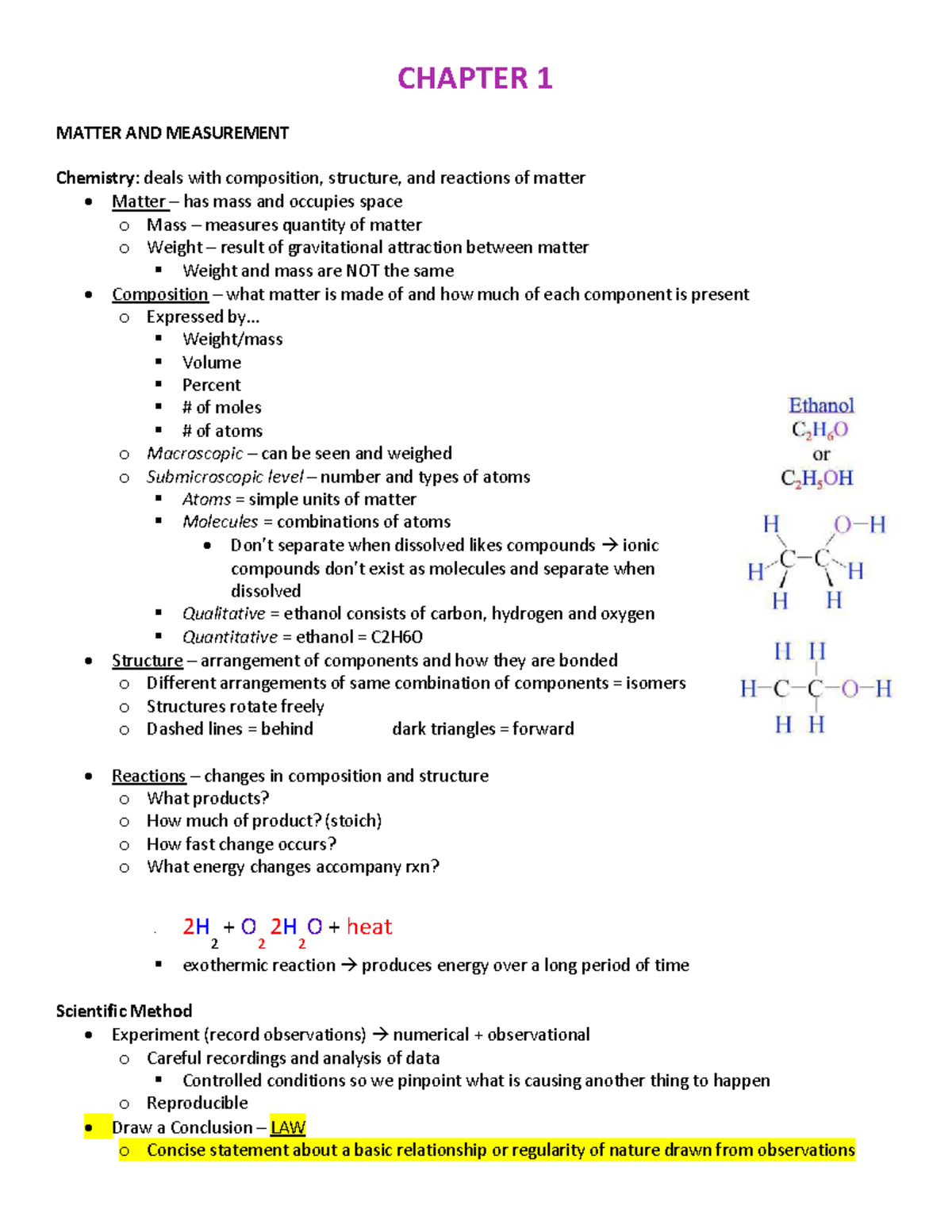
Intro To Chemistry Course Description
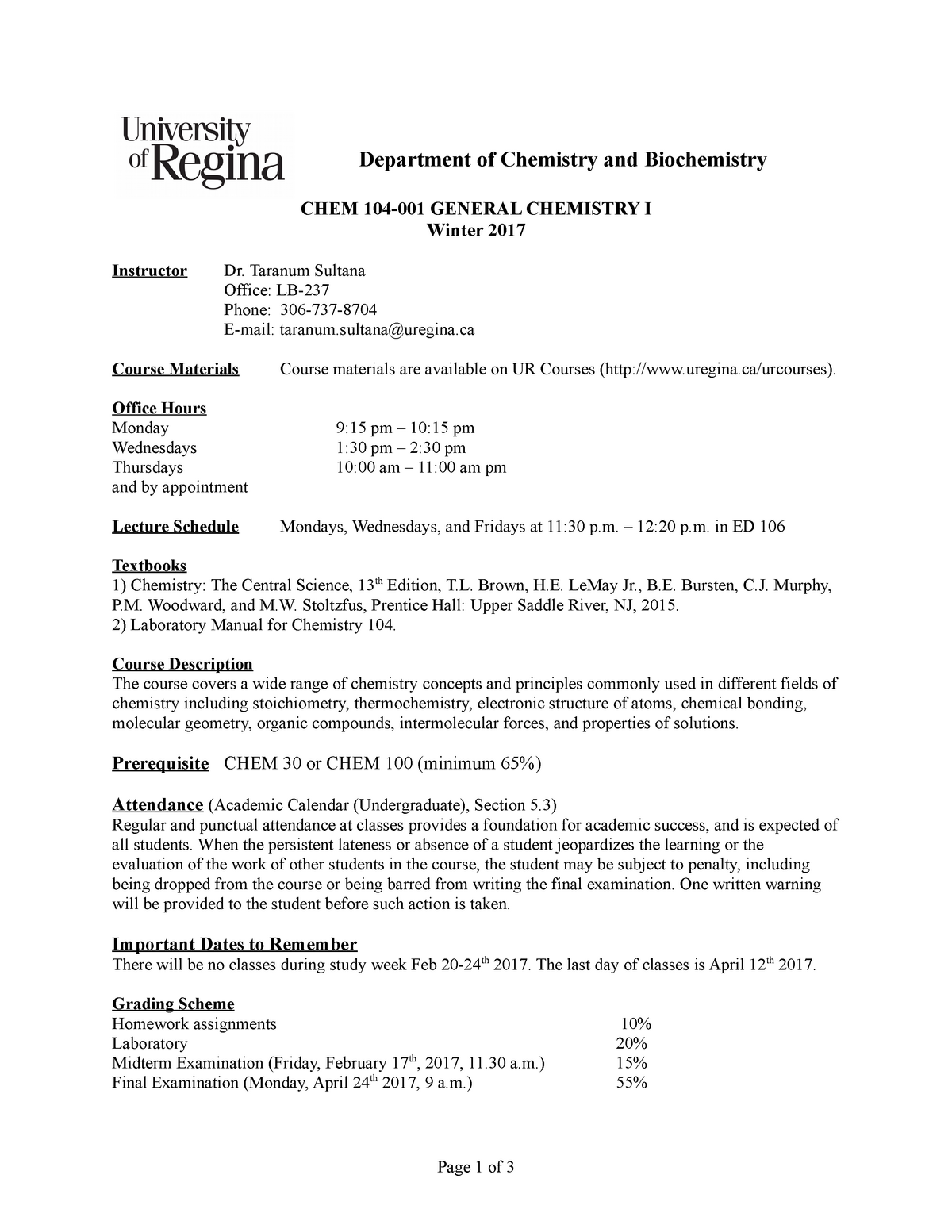
CHEM 104 Course Outline Department of Chemistry and Biochemistry

General Chemistry Course Guidelines 20132014

CHEM 142 Course Outline Modesto Junior College
It Outlines 10 Weeks Of Topics To Be Covered, Including The Particulate.
Synthetic Methods And A Synthesis Project.
Builds On Principles Of General Chemistry With An Emphasis On The Chemistry Of Carbon Compounds For Science And Chemical Engineering Majors.
Solve Both Qualitative And Quantitative Chemistry Problems While.
Related Post:


