
Life Course Theorists Suggest Socialization
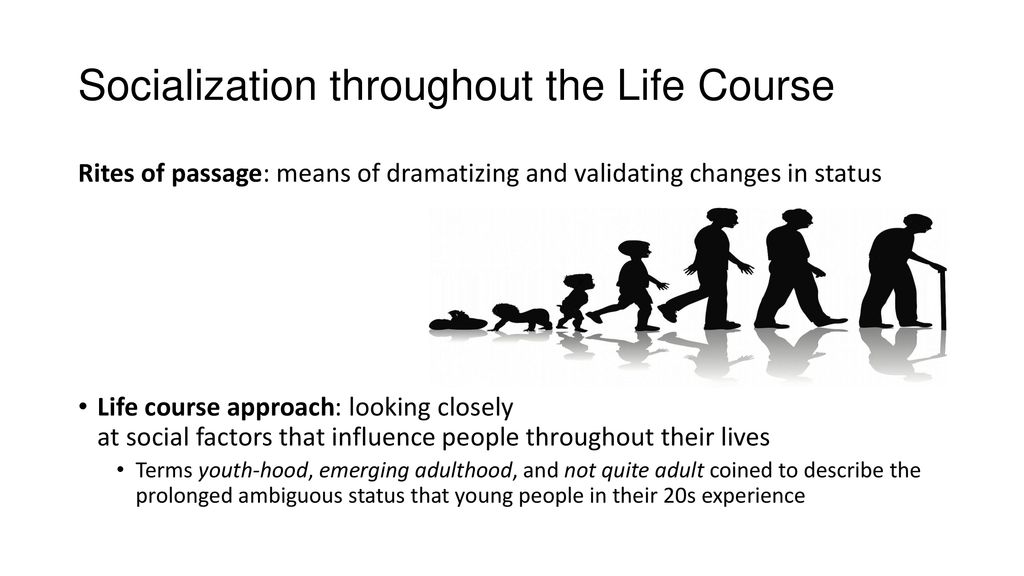
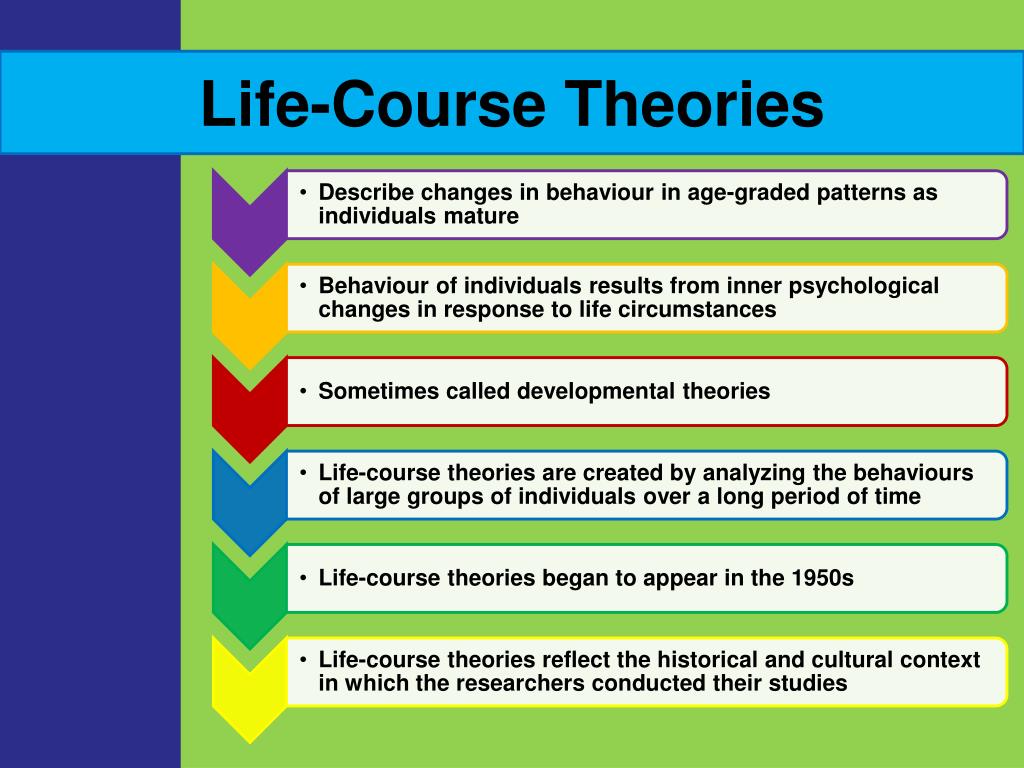
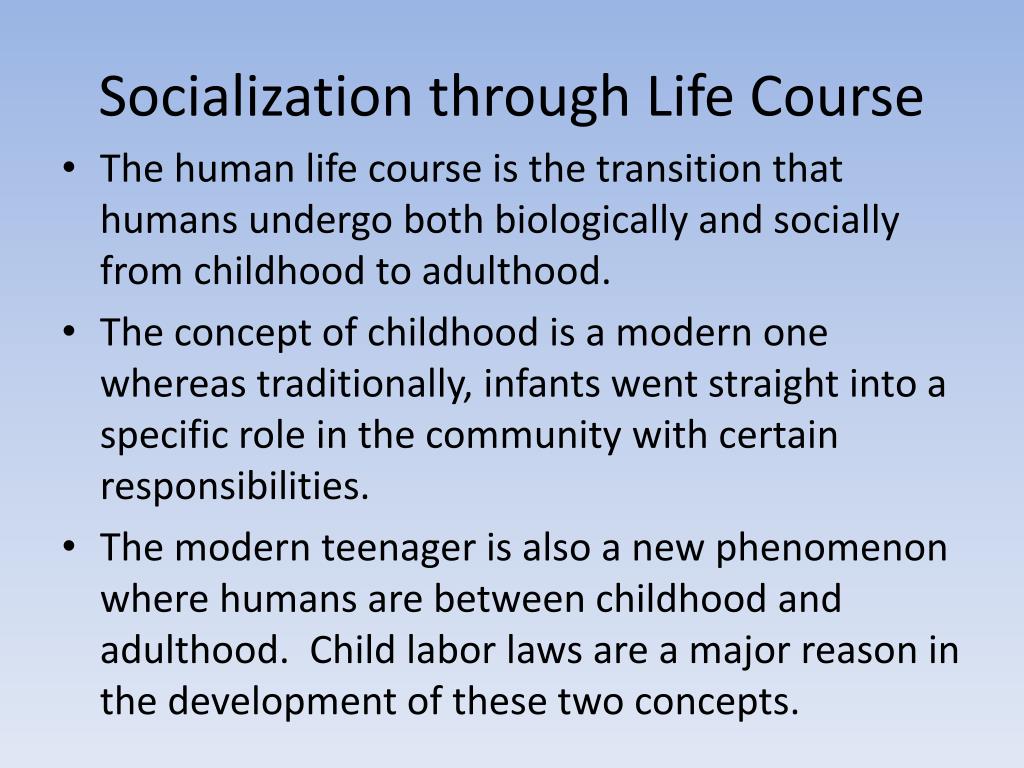
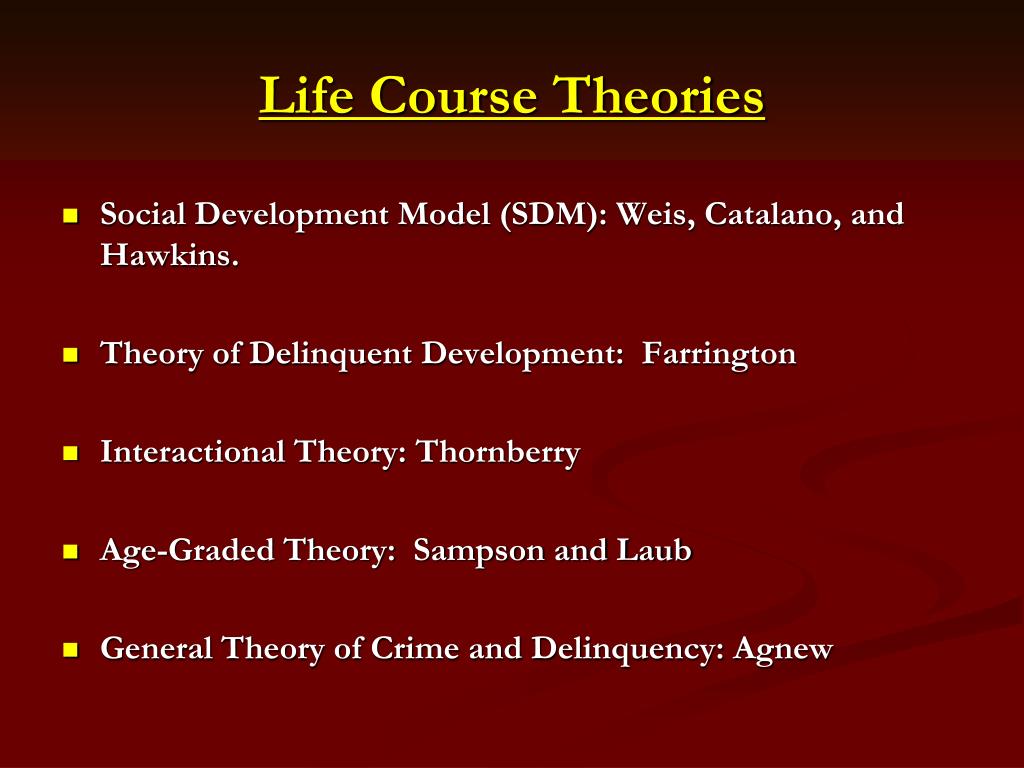
Life Course Theorists Suggest Socialization - In what he called the play stage of socialization, george herbert mead asserted that people mentally assume the perspectives of others, thereby enabling them to respond from that. The course of human lives in western society is inescapably shaped by political, cultural, and economic factors. Socialization continues throughout all these stages. Life course theory (lct) looks at how chronological age, relationships, common life transitions, life events, social change, and human agency shape people’s lives from birth to. How might your life be different if you lived in one of these other countries? Understanding socialization over the life course is not only about how individuals are initiated into society by various socializing agents and institutions, but also by their own life. The four stages of the life course are childhood, adolescence, adulthood, and old age. Life course theory has evolved since the 1960s through programmatic efforts to address such issues. What happens during childhood may have. Stops after a person experiences a rite of passage. Socialization continues throughout all these stages. The life course approach, also known as the life course perspective or life course theory, refers to an approach developed in the 1960s for analyzing people's lives within structural, social, and cultural contexts. The course of human lives in western society is inescapably shaped by political, cultural, and economic factors. Life course theory has evolved since the 1960s through programmatic efforts to address such issues. Some of the suggestions for developing the life course perspective on social learning could help us to further illuminate gendered and more generic aspects of social influence processes. Understanding socialization over the life course is not only about how individuals are initiated into society by various socializing agents and institutions, but also by their own life. In this paper, we seek to address three interlinked issues concerning the potential for a more productive interchange between life course sociology and life span psychology. Is attributable solely to biological influences. What happens during childhood may have. The four stages of the life course are childhood, adolescence, adulthood, and old age. The pioneering longitudinal studies of child development (all launched in. Understanding socialization over the life course is not only about how individuals are initiated into society by various socializing agents and institutions, but also by their own life. Some of the suggestions for developing the life course perspective on social learning could help us to further illuminate gendered and more. Life course theory (lct) looks at how chronological age, relationships, common life transitions, life events, social change, and human agency shape people’s lives from birth to. The four stages of the life course are childhood, adolescence, adulthood, and old age. Some of the suggestions for developing the life course perspective on social learning could help us to further illuminate gendered. The course of human lives in western society is inescapably shaped by political, cultural, and economic factors. Socialization continues throughout all these stages. This perspective emphasizes that our social environment, experiences, and interactions. The pioneering longitudinal studies of child development (all launched in. Life course theory holds that socialization is a lifelong process, occurring at every stage of the life. Life course theory has evolved since the 1960s through programmatic efforts to address such issues. What are the 6 things that shape the process of socialization? Life course theory holds that socialization is a lifelong process, occurring at every stage of the life cycle. The life course approach, also known as the life course perspective or life course theory, refers. Life course theory (lct) looks at how chronological age, relationships, common life transitions, life events, social change, and human agency shape people’s lives from birth to. Is attributable to both biological and physical influences. Is attributable solely to biological influences. Life course theory holds that socialization is a lifelong process, occurring at every stage of the life cycle. Life course. In what he called the play stage of socialization, george herbert mead asserted that people mentally assume the perspectives of others, thereby enabling them to respond from that. Socialization continues throughout all these stages. The course of human lives in western society is inescapably shaped by political, cultural, and economic factors. Life course theory has evolved since the 1960s through. Life course theorists suggest socialization a. Some of the suggestions for developing the life course perspective on social learning could help us to further illuminate gendered and more generic aspects of social influence processes. The four stages of the life course are childhood, adolescence, adulthood, and old age. According to structural functionalist conception, socialization is exclusively a process of social. Thomas (with florian znaniecki) first made use of such histories and trajectories and argued strongly. Life course theorists suggest socialization a. Life course theory (lct) looks at how chronological age, relationships, common life transitions, life events, social change, and human agency shape people’s lives from birth to. The course of human lives in western society is inescapably shaped by political,. Continues through all stages of the life cycle. According to structural functionalist conception, socialization is exclusively a process of social control, constraining and imposing significant limits upon individuals. The course of human lives in western society is inescapably shaped by political, cultural, and economic factors. Thomas (with florian znaniecki) first made use of such histories and trajectories and argued strongly.. Is attributable to both biological and physical influences. The life course approach, also known as the life course perspective or life course theory, refers to an approach developed in the 1960s for analyzing people's lives within structural, social, and cultural contexts. Socialization continues throughout all these stages. What are the 6 things that shape the process of socialization? The four. Some of the suggestions for developing the life course perspective on social learning could help us to further illuminate gendered and more generic aspects of social influence processes. Development does not end at childhood, but instead extends through multiple life stages to influ… Life course theory holds that socialization is a lifelong process, occurring at every stage of the life cycle. Continues through all stages of the life cycle. The course of human lives in western society is inescapably shaped by political, cultural, and economic factors. The four stages of the life course are childhood, adolescence, adulthood, and old age. The four stages of the life course are childhood, adolescence, adulthood, and old age. How might your life be different if you lived in one of these other countries? In this paper, we seek to address three interlinked issues concerning the potential for a more productive interchange between life course sociology and life span psychology. In what he called the play stage of socialization, george herbert mead asserted that people mentally assume the perspectives of others, thereby enabling them to respond from that. Is attributable solely to biological influences. The pioneering longitudinal studies of child development (all launched in. Stops after a person experiences a rite of passage. Understanding socialization over the life course is not only about how individuals are initiated into society by various socializing agents and institutions, but also by their own life. According to structural functionalist conception, socialization is exclusively a process of social control, constraining and imposing significant limits upon individuals. Life course theory (lct) looks at how chronological age, relationships, common life transitions, life events, social change, and human agency shape people’s lives from birth to.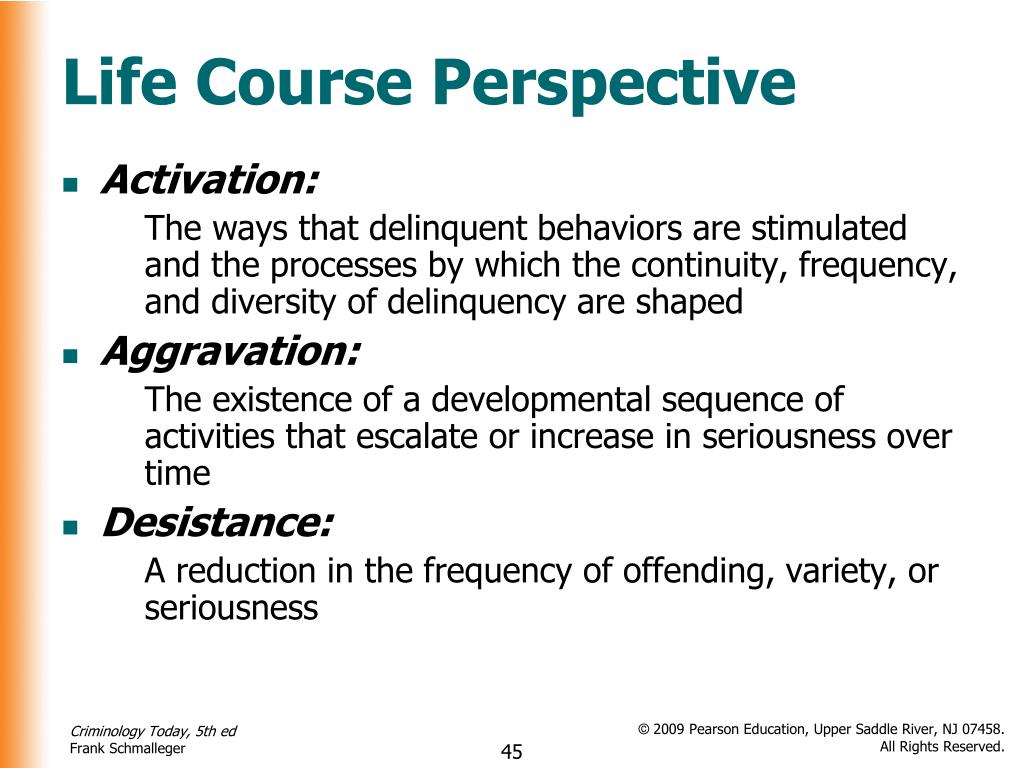
PPT Chapter 8 Theories of Social Process and Social Development
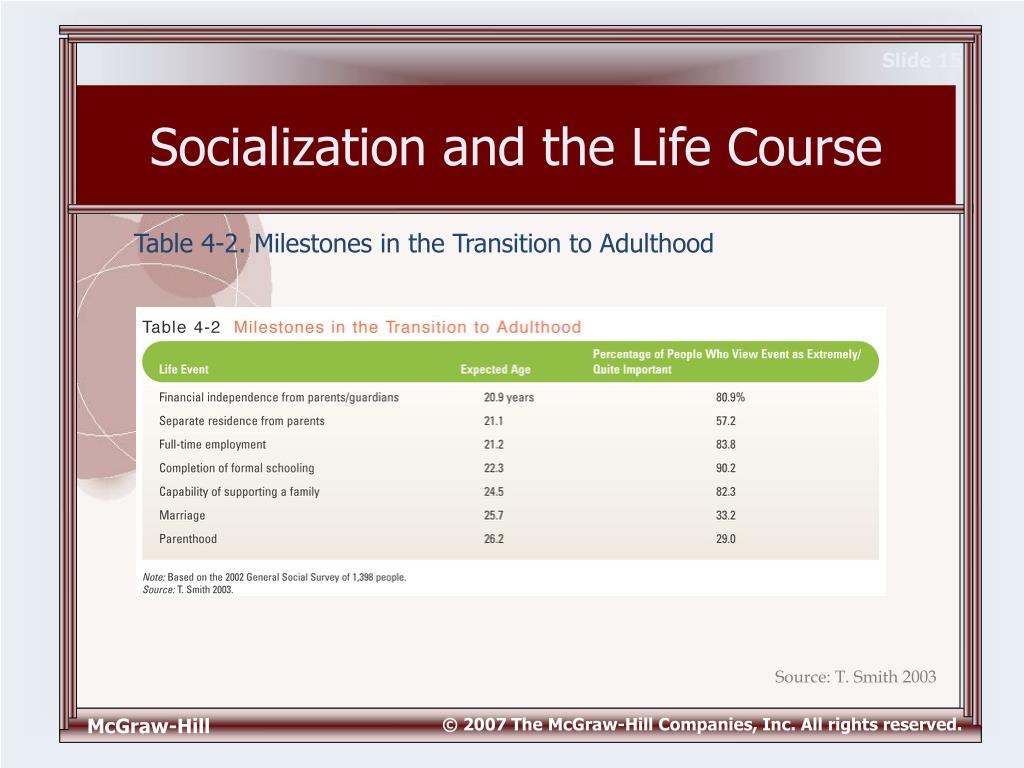
PPT SOCIOLOGY Richard T. Schaefer PowerPoint Presentation ID500735
Socialization Through The Life Course PDF Adolescence Childhood
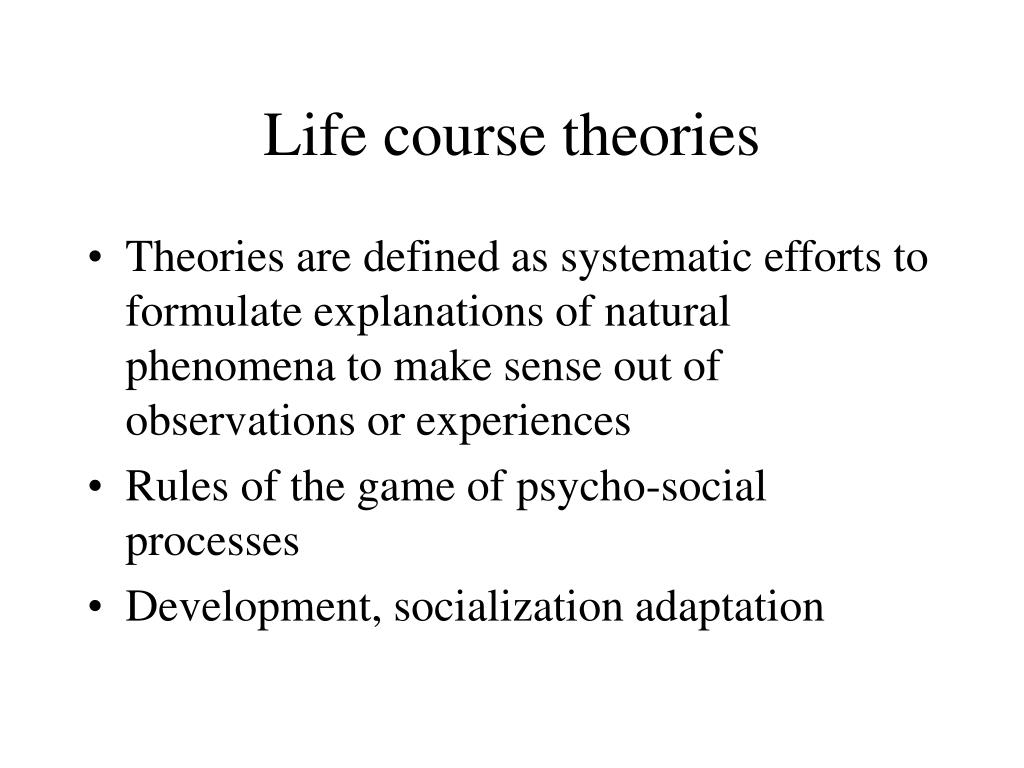
PPT Life course theories PowerPoint Presentation, free download ID
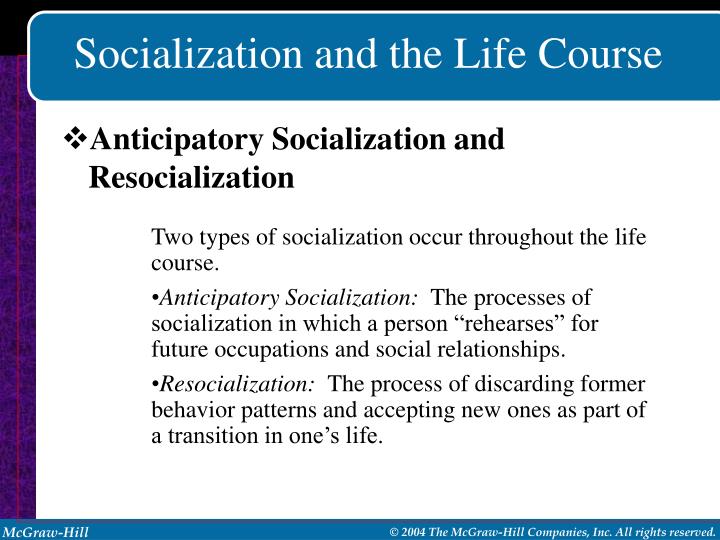
PPT Socialization PowerPoint Presentation ID3106199
The Role of Socialization ppt download

PPT SOCIOLOGY Richard T. Schaefer PowerPoint Presentation ID500735
PPT Individuals and Families Diverse Perspectives Unit 2 Chapter 4
PPT Socialization and the Life Cycle PowerPoint Presentation, free
PPT Chapter 9 Developmental Theories Latent Trait and Life Course
Socialization Continues Throughout All These Stages.
What Happens During Childhood May Have.
Changes In These Spheres Inevitably Lead To Changes In Our Conceptions Of.
Is Attributable To Both Biological And Physical Influences.
Related Post:
