
Links Course Definition
Links Course Definition - Unlike traditional parkland courses, links courses are built on sandy soil near the shoreline, offering stunning views of the sea and a constant exposure to the elements. With their undulating greens, open stretches of sand, long fairways with unpredictable sea breezes and gorse hedges that line the entire landscape, they provide a unique challenge to all levels of golfer. From their origins in scotland to their unique design features and challenges, we'll cover everything you need to know about these coastal gems. A links course is a specific type of golf course, originally from scotland, that is built on sandy, windswept coastal areas. Links courses are generally built on sandy coastland that offers a firmer playing surface than parkland and heathland courses. A links is the oldest style of golf course, first developed in scotland. The best example of a links course is st. So what is a links golf course? The term ‘links’ comes from ‘hlincs,’ which was used to describe the. What is a links golf course? So what is a links golf course? The classes are designed to blend in with the natural landscape, making each round a unique experience. With their natural terrain, fast greens and undulating surfaces, these courses offer a more challenging golf experience. The word “links” is derived from old scotland and refers to an area along a coast that includes sand dunes or high fescue and very few, if any, trees. These courses are characterized by undulating fairways, minimal trees, and deep bunkers. With their undulating greens, open stretches of sand, long fairways with unpredictable sea breezes and gorse hedges that line the entire landscape, they provide a unique challenge to all levels of golfer. What is a links course? The word comes from the scots language and refers to an area of coastal sand dunes, and also sometimes to open parkland. The term “links” is derived from the old english word “hlinc,” which means rising ground or ridge. A links course is a golf course type found in coastal areas, characterized by sandy, undulating, and rugged terrain. The term “links” is derived from the old english word “hlinc,” which means rising ground or ridge. Links courses are buffeted by strong winds that require deep bunkers to prevent the sand from blowing away. The term ‘links’ comes from the old english word ‘hlinc’, referring to the sandy dunes often found along scotland’s coast, making them ideal for constructing. You’ll also find deep pot bunkers lining many fairways and greens. What is the difference between a golf course and a links? So what is a links golf course? A links golf course is a type of golf course built on sandy soil near the coast. A links course is a type of golf course typically found in coastal areas. In this article, we're going to explore the fascinating world of links golf courses. 'the links' isn’t a term specific to golf courses. The term ‘links’ comes from ‘hlincs,’ which was used to describe the. A links golf course is a type of golf course built on sandy soil near the coast. Links course first up is the most famous. 'the links' isn’t a term specific to golf courses. The word “links” is derived from old scotland and refers to an area along a coast that includes sand dunes or high fescue and very few, if any, trees. Andrews in scotland, while augusta national is a prime example of a parkland course. These courses are characterized by undulating fairways, minimal. The term ‘links’ comes from ‘hlincs,’ which was used to describe the. A links course is a type of golf course typically found in coastal areas and characterized by natural terrain that has been shaped by wind, rain and the sea. Links golf courses are unlike any other course in the world. Where did links golf courses start? The term. The definition of a links course. The term “links” is derived from the old english word “hlinc,” which means rising ground or ridge. The term ‘links’ comes from the old english word ‘hlinc’, referring to the sandy dunes often found along scotland’s coast, making them ideal for constructing golf courses. In this article, we're going to explore the fascinating world. The word “links” is derived from old scotland and refers to an area along a coast that includes sand dunes or high fescue and very few, if any, trees. The term ‘links’ comes from the old english word ‘hlinc’, referring to the sandy dunes often found along scotland’s coast, making them ideal for constructing golf courses. In this article, we're. A links course is a type of golf course typically found in coastal areas and characterized by natural terrain that has been shaped by wind, rain and the sea. Links course first up is the most famous type of golf course, the links course. A links is the oldest style of golf course, first developed in scotland. Where did links. Links golf courses are defined as “a large open undulating stretch of land beside the sea laid out for the playing of golf.” the word itself is derived from the scottish word “hlinc” which means “rising ground” or ridge and refers to an area of. This type of course is different from a regular golf course in that it has. A links course is a specific type of golf course, originally from scotland, that is built on sandy, windswept coastal areas. The term derives from the old english word hlinc meaning rising ground or ridge and refers to sandy area. Links golf courses are a type of course often situated near the coast, typically a narrow stretch that serves as. You’ll also find deep pot bunkers lining many fairways and greens. The term ‘links’ comes from ‘hlincs,’ which was used to describe the. The term derives from the old english word hlinc meaning rising ground or ridge and refers to sandy area. Links course first up is the most famous type of golf course, the links course. Links courses are generally built on sandy coastland, offering a firmer playing surface than parkland and heathland courses. These courses are characterized by undulating fairways, minimal trees, and deep bunkers. Links golf courses are unlike any other course in the world. Unlike traditional parkland courses, links courses are built on sandy soil near the shoreline, offering stunning views of the sea and a constant exposure to the elements. In this article, we're going to explore the fascinating world of links golf courses. The term ‘links’ comes from the old english word ‘hlinc’, referring to the sandy dunes often found along scotland’s coast, making them ideal for constructing golf courses. A links golf course is a type of golf course built on sandy soil near the coast. Andrews in scotland, while augusta national is a prime example of a parkland course. From their origins in scotland to their unique design features and challenges, we'll cover everything you need to know about these coastal gems. What is a links golf course? The definition of a links course. Links courses are buffeted by strong winds that require deep bunkers to prevent the sand from blowing away.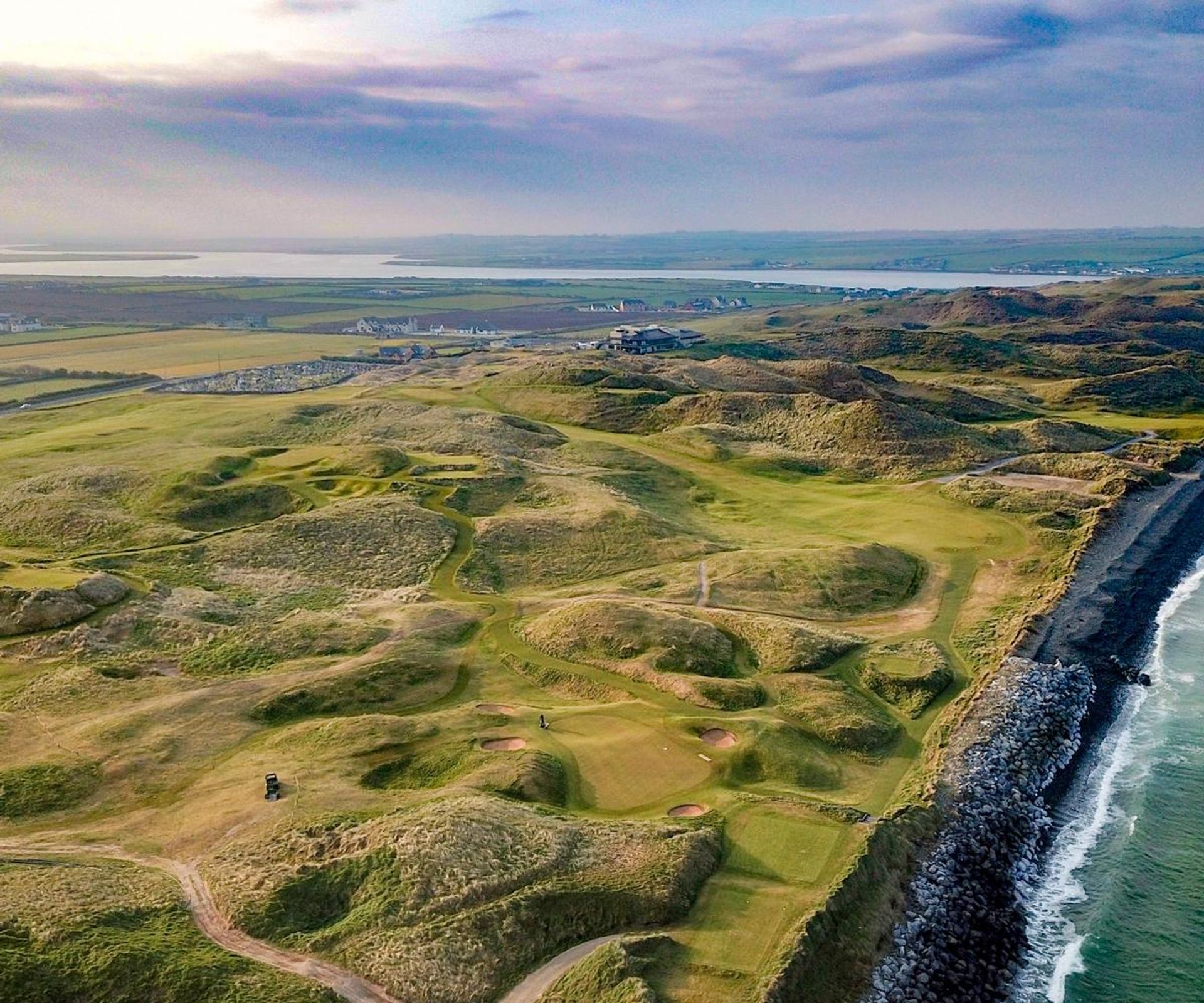
What is a Links Golf Course? Leading Courses
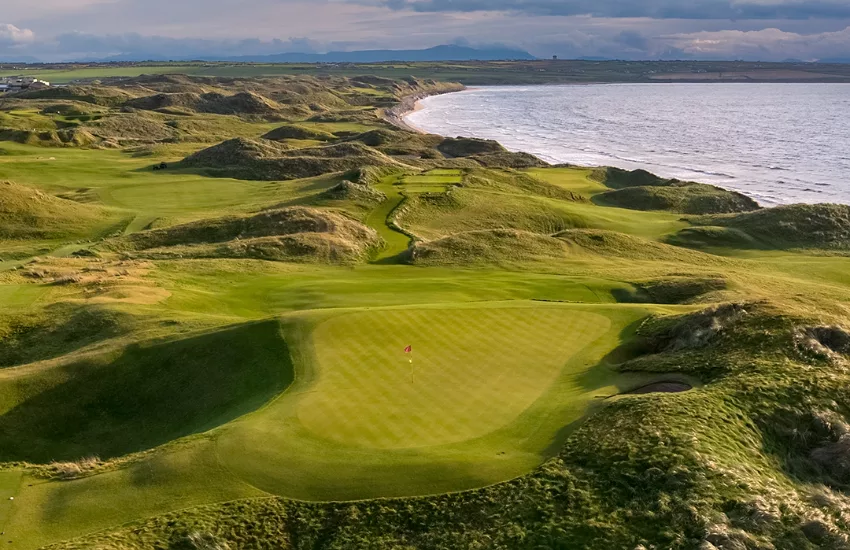
What is a Links Style Golf Course? Ship Sticks

Links course LINKS COURSE definition YouTube
![What Is a Links Golf Course? [Full Definition + Photos]](https://www.golfspan.com/wp-content/uploads/2020/04/Copy-of-links-golf-course.png)
What Is a Links Golf Course? [Full Definition + Photos]
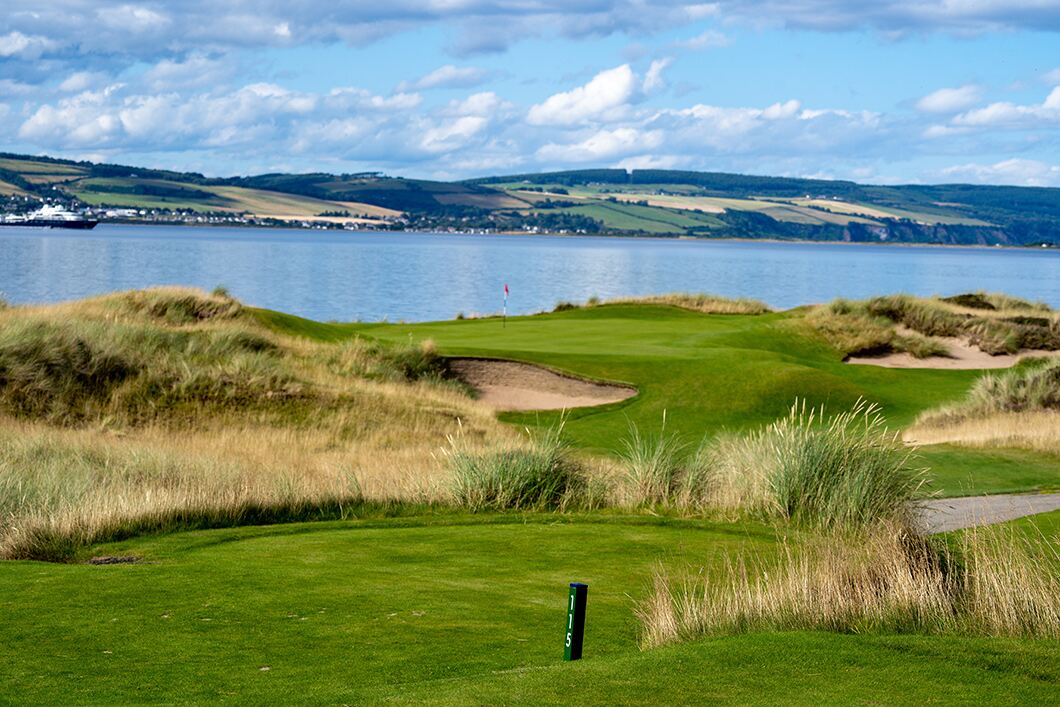
What Is Links Golf Links Golf Courses Explained

Why Are Golf Courses Called Links? Unique Golf Gears
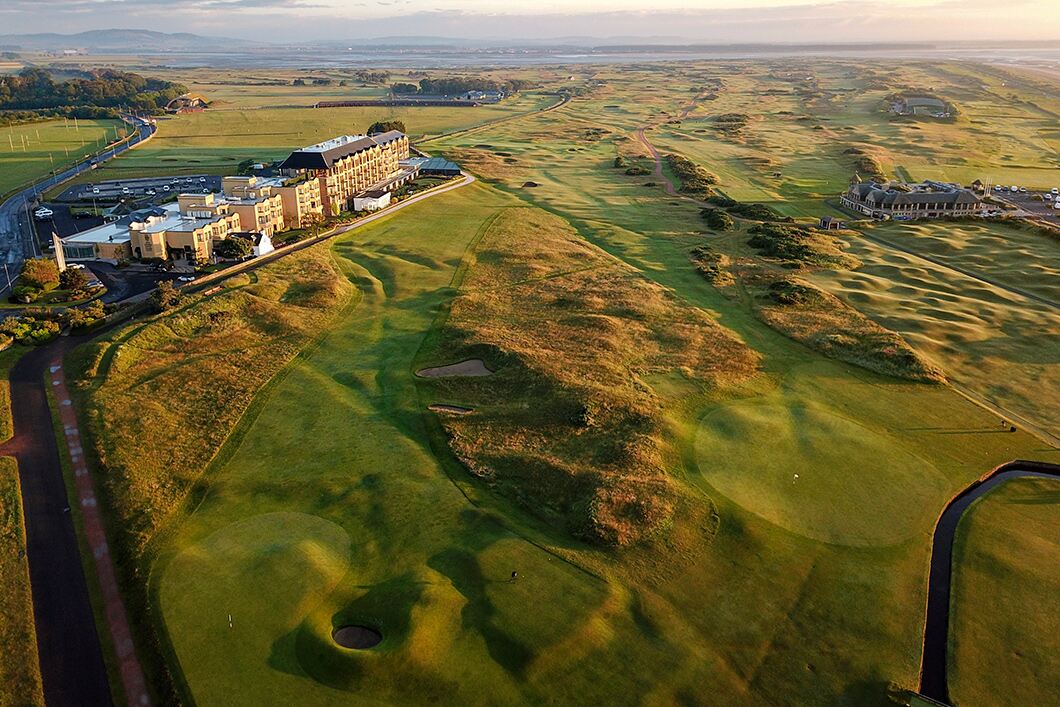
What Is Links Golf Links Golf Courses Explained
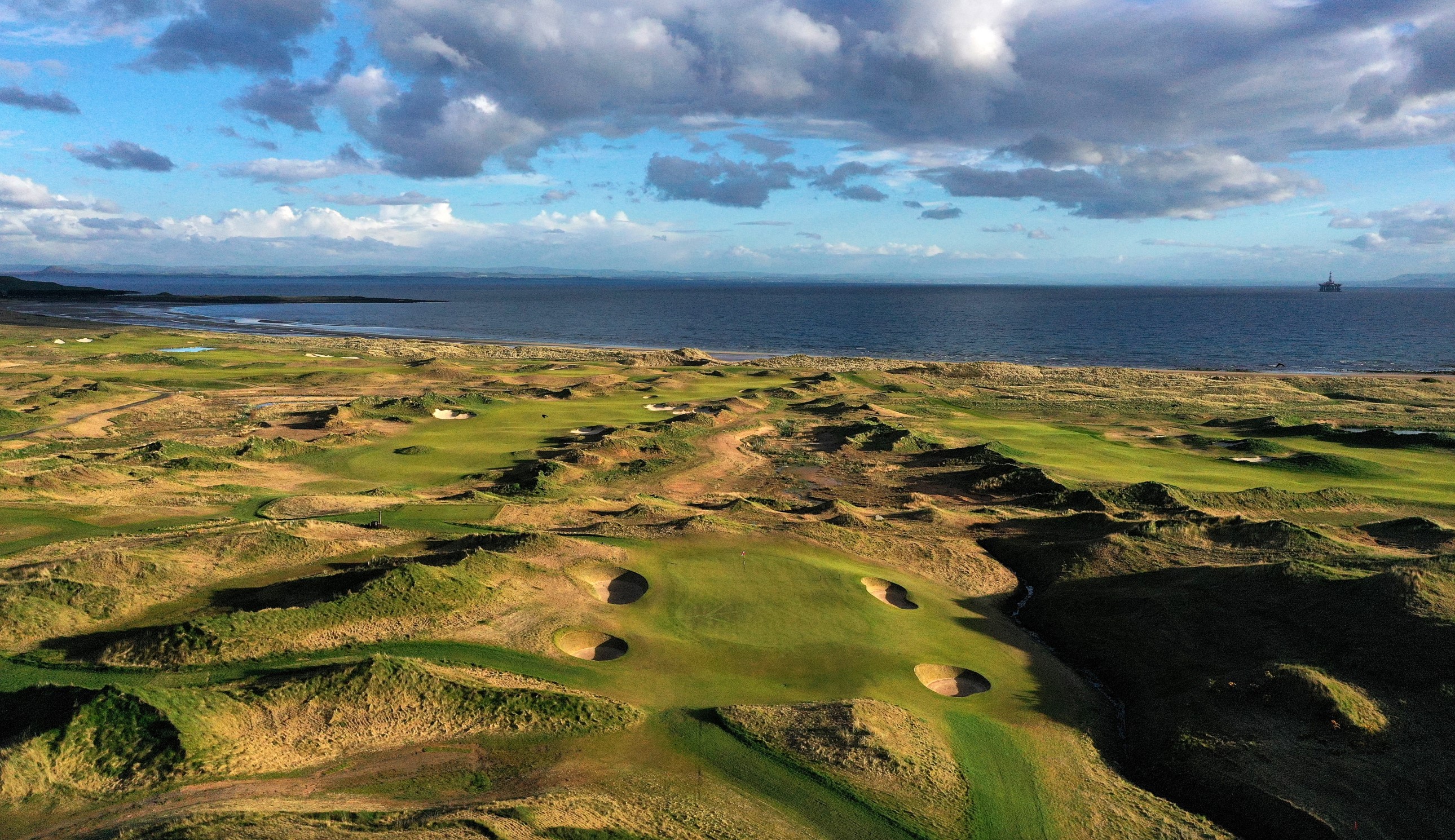
What Is A Links Golf Course? Golf Monthly Golf Monthly

WHAT IS A LINKS GOLF COURSE YouTube
/carnoustie-links-course-5a01fe63b39d0300196a00ca.jpg)
What Is a Links Golf Course?
A Links Is The Oldest Style Of Golf Course, First Developed In Scotland.
With Their Natural Terrain, Fast Greens And Undulating Surfaces, These Courses Offer A More Challenging Golf Experience.
Typically Found Along Coastlines, Links Golf Courses Feature Natural Sandy Dunes And Sandy Soil.
These Conditions Provide Hard And Fast Fairways, Which Tend To Provide More Roll Than Other Types Of Courses.
Related Post: