
Organic Chemistry Summer Course
Organic Chemistry Summer Course - Topics include inorganic nomenclature, chemical reactions, chemical bonding and its relation to molecular structure, stoichiometry, periodic properties of elements, chemical equilibrium, gas. Topics include current ideas of bonding and. Organic chemistry has a rep of a “weeder” class for a reason—it is one of the hardest classes in a. This course is an intensive, comprehensive introduction to the chemistry of carbon and its importance to living systems. Course times 8:00 am to 10:15 am surveys the compounds of carbon in relation to their structure, identification, synthesis, natural occurrence, and mechanisms of reactions. C or higher in che 132. This summer, uconn will offer organic chemistry i and ii (uconn chem 2443 & 2444) in a convenient online format. Online organic chemistry classes at msum minnesota state university moorhead, either class in summer, fall or spring. Experienced facultyinstructor supportgain clinical experiencenew student discounts If you want to enjoy learning all about organic, take it in a full semester, preferably with lab. An introduction to the structure, reactivity, and properties of organic compounds. Organic chemistry has a rep of a “weeder” class for a reason—it is one of the hardest classes in a. These are to help the student develop the skills required to solve a variety of problems in organic chemistry and to point out the fundamental principles in organic chemistry. It covers all of the. New organic chemistry summer intensive! This summer, uconn will offer organic chemistry i and ii (uconn chem 2443 & 2444) in a convenient online format. C or higher in che 132. Structure and bonding, acids and bases, chemical energetics, stereochemistry, properties, preparation and reactions of. Online organic chemistry classes at msum minnesota state university moorhead, either class in summer, fall or spring. If you just want to get it done, summer is probably fine for organic 1, but a little rushed. Summer organic chemistry classes are demanding and fast paced. Organic chemistry has a rep of a “weeder” class for a reason—it is one of the hardest classes in a. Experienced facultyinstructor supportgain clinical experiencenew student discounts This course is an intensive, comprehensive introduction to the chemistry of carbon and its importance to living systems. If you want to enjoy learning. Summer organic chemistry classes are demanding and fast paced. Students will learn organic chemistry laboratory techniques as they examine the chemical basis of medicinal plants. C or higher in che 132. These are to help the student develop the skills required to solve a variety of problems in organic chemistry and to point out the fundamental principles in organic chemistry.. You’ll study organic chemistry, physical chemistry, and. These are to help the student develop the skills required to solve a variety of problems in organic chemistry and to point out the fundamental principles in organic chemistry. Online organic chemistry classes at msum minnesota state university moorhead, either class in summer, fall or spring. C or higher in che 132. Organic. Topics include current ideas of bonding and structure, major reaction mechanisms and pathways, a discussion of the analytical tools used to determine the structure and stereochemistry of. This course is an intensive, comprehensive introduction to the chemistry of carbon and its importance to living systems. If you just want to get it done, summer is probably fine for organic 1,. These are to help the student develop the skills required to solve a variety of problems in organic chemistry and to point out the fundamental principles in organic chemistry. This course is an intensive, comprehensive introduction to the chemistry of carbon and its importance to living systems. Topics include inorganic nomenclature, chemical reactions, chemical bonding and its relation to molecular. Summer organic chemistry classes are demanding and fast paced. This course is an intensive, comprehensive introduction to the chemistry of carbon and its importance to living systems. Dates for the summer sessions can be found here. Structure and bonding, acids and bases, chemical energetics, stereochemistry, properties, preparation and reactions of. If you just want to get it done, summer is. Intensive course sequences are a great way to get ahead or catch up on courses during the summer. C or higher in che 132. An introduction to the structure, reactivity, and properties of organic compounds. If you just want to get it done, summer is probably fine for organic 1, but a little rushed. Topics include inorganic nomenclature, chemical reactions,. Dates for the summer sessions can be found here. Topics include current ideas of bonding and. This summer, uconn will offer organic chemistry i and ii (uconn chem 2443 & 2444) in a convenient online format. These are to help the student develop the skills required to solve a variety of problems in organic chemistry and to point out the. Students will learn organic chemistry laboratory techniques as they examine the chemical basis of medicinal plants. This course is an intensive, comprehensive introduction to the chemistry of carbon and its importance to living systems. Intensive course sequences are a great way to get ahead or catch up on courses during the summer. Topics include inorganic nomenclature, chemical reactions, chemical bonding. Intensive course sequences are a great way to get ahead or catch up on courses during the summer. C or higher in che 132. Topics include inorganic nomenclature, chemical reactions, chemical bonding and its relation to molecular structure, stoichiometry, periodic properties of elements, chemical equilibrium, gas. It covers all of the. Students will learn organic chemistry laboratory techniques as they. If you just want to get it done, summer is probably fine for organic 1, but a little rushed. Organic chemistry has a rep of a “weeder” class for a reason—it is one of the hardest classes in a. You’ll study organic chemistry, physical chemistry, and. Structure and bonding, acids and bases, chemical energetics, stereochemistry, properties, preparation and reactions of. These are to help the student develop the skills required to solve a variety of problems in organic chemistry and to point out the fundamental principles in organic chemistry. Summer organic chemistry classes are demanding and fast paced. New organic chemistry summer intensive! Intensive course sequences are a great way to get ahead or catch up on courses during the summer. Students will learn organic chemistry laboratory techniques as they examine the chemical basis of medicinal plants. This course is an intensive, comprehensive introduction to the chemistry of carbon and its importance to living systems. Online organic chemistry classes at msum minnesota state university moorhead, either class in summer, fall or spring. C or higher in che 132. Immerse education’s chemistry summer school offers a chance to explore chemical sciences before pursuing higher education. This summer, uconn will offer organic chemistry i and ii (uconn chem 2443 & 2444) in a convenient online format. Topics include current ideas of bonding and. Topics include current ideas of bonding and structure, major reaction mechanisms and pathways, a discussion of the analytical tools used to determine the structure and stereochemistry of.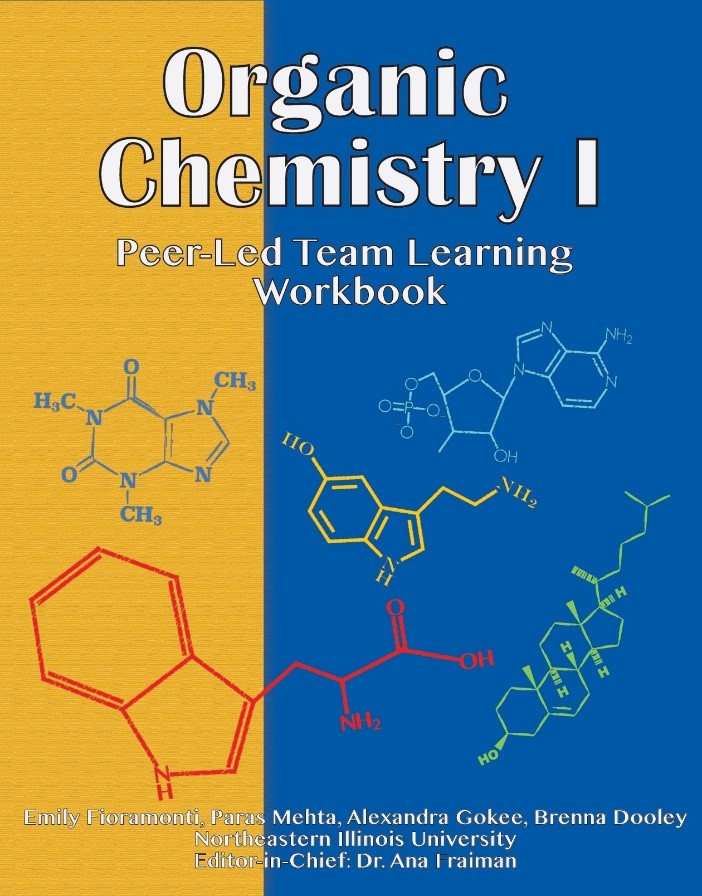
Organic Chemistry 1 Online Summer 2024 Gert Nikaniki

Organic Chemistry Notes Full Course Pdf Notes

Organic Chemistry Notes Full Course Pdf Notes
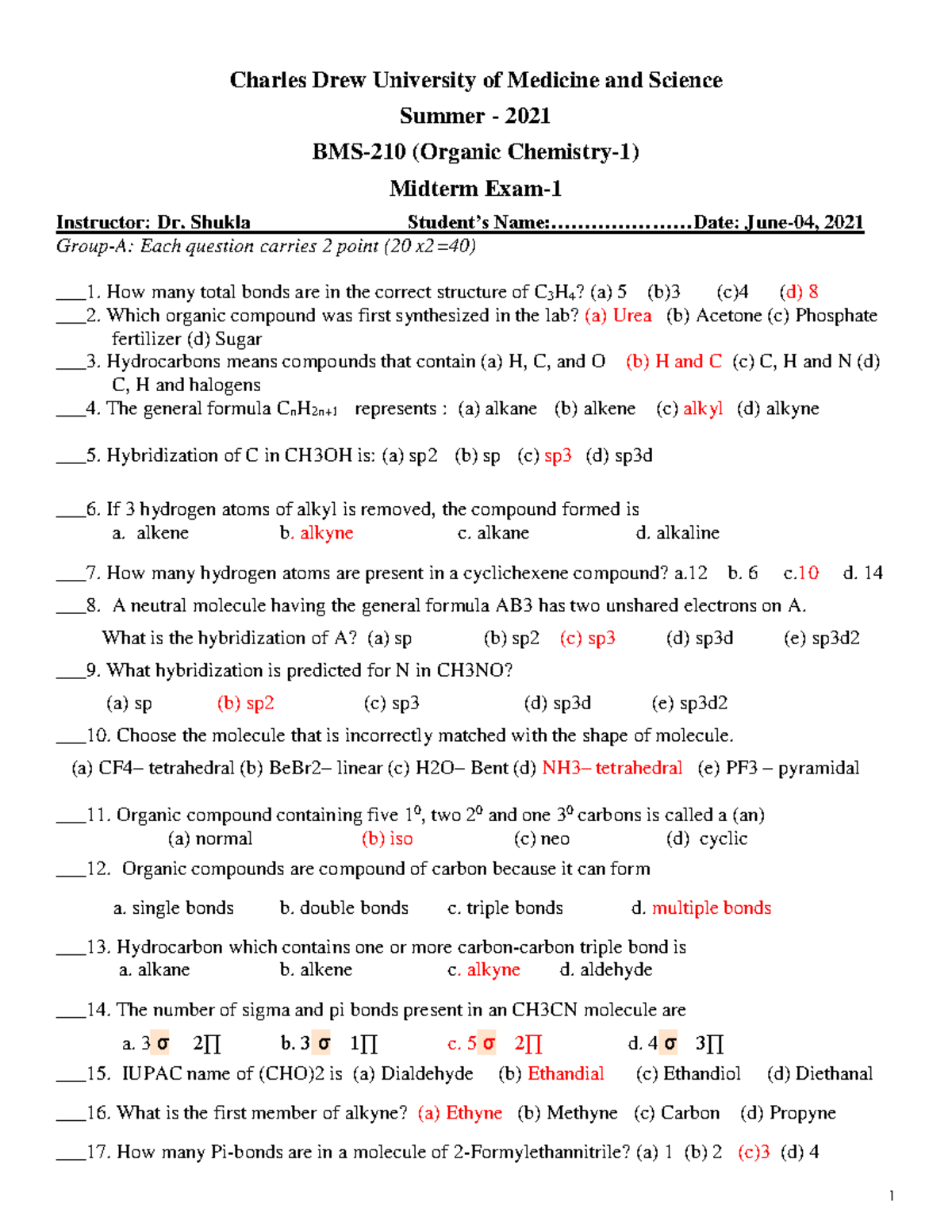
Midterm Exam1Answerkey Chemistry I only) 1 Charles Drew

SOLUTION organic chemistry crash course Studypool
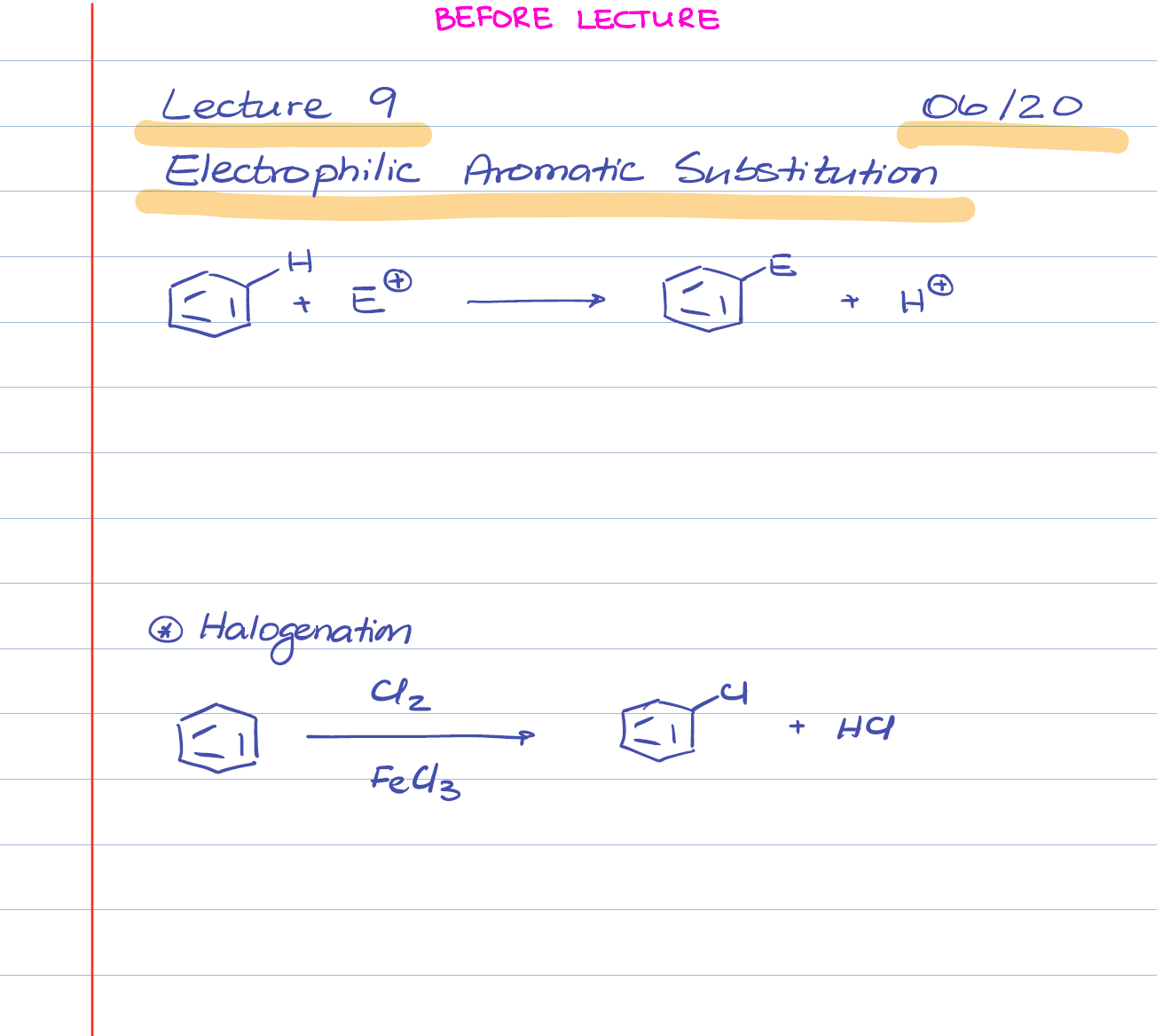
Taking Summer Organic Chemistry Course Online What to Expect and How

Organic Chemistry Diagram
Course Organic Chemistry

Organic Chemistry Notes Full Course Pdf Notes
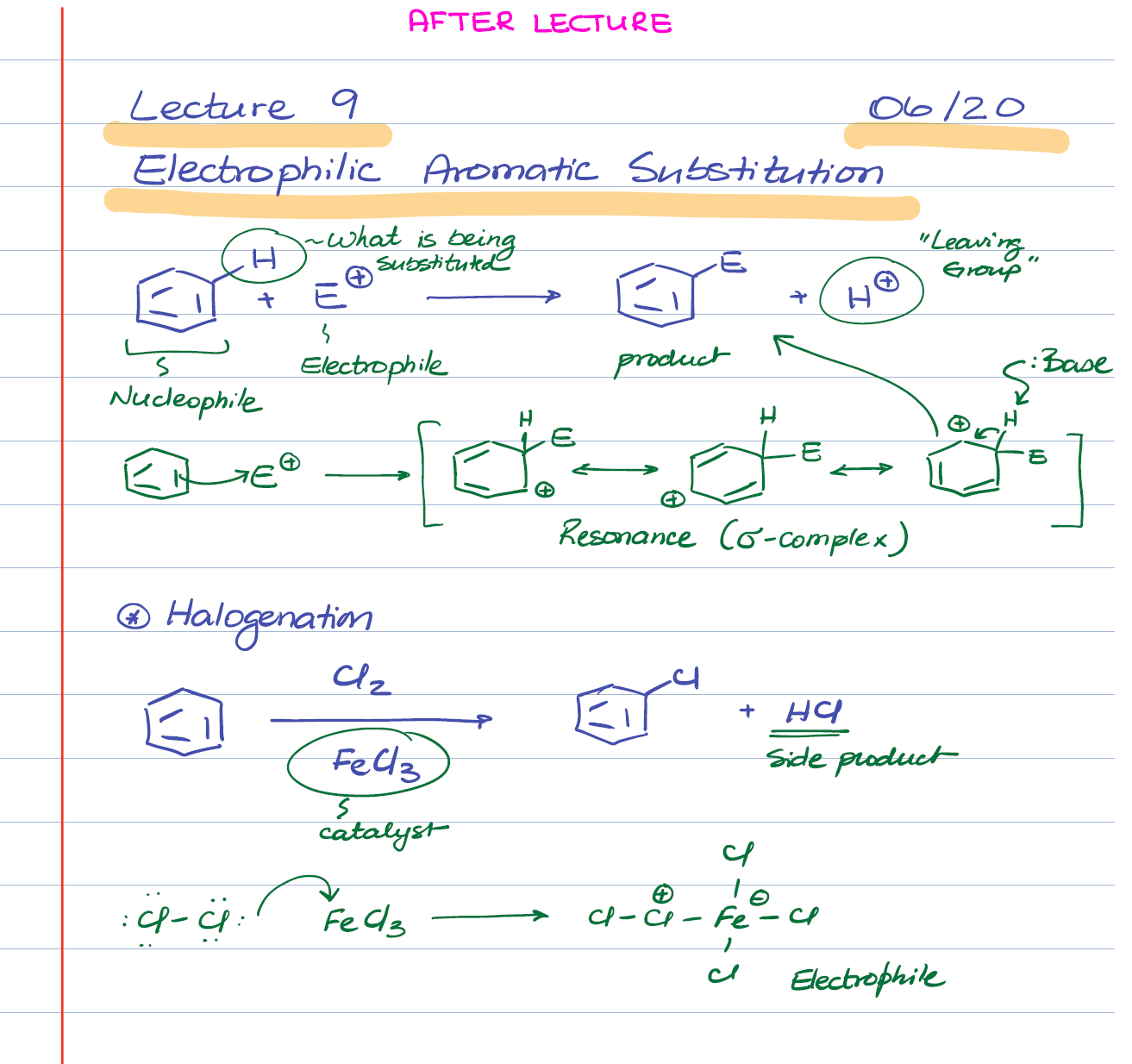
Taking Summer Organic Chemistry Course Online What to Expect and How
The Fundamental Principles Of Organic Chemistry.
It Covers All Of The.
Experienced Facultyinstructor Supportgain Clinical Experiencenew Student Discounts
Course Times 8:00 Am To 10:15 Am Surveys The Compounds Of Carbon In Relation To Their Structure, Identification, Synthesis, Natural Occurrence, And Mechanisms Of Reactions.
Related Post: