Origin Of Of Course
Origin Of Of Course - One meaning of of course is “according to procedure.” once the thief was arrested, he was arraigned as a matter of course. Of course was first used in the sense of a matter of course (one could also say a thing of course), and meant as a natural result, but the earliest citation of the phrase of course. Many people mistakenly write it as “ofcourse,” raising questions about its usage, meaning, and context. “off course” is a phrase that means to be going in a. The form by course (then spelled bi cours) dates to about 1300. It signals certainty, agreement, or. Within a century, though, it was being used as a. Choosing the correct phrase in your writing can sometimes be tricky, especially when it comes to common expressions like “of course” and “ofcourse.” these two may look. You're going to have to lose ivan drago, of course. The language structure evolved naturally, changing. Many people mistakenly write it as “ofcourse,” raising questions about its usage, meaning, and context. “of course” is a phrase that means yes, certainly, and without a doubt. Choosing the correct phrase in your writing can sometimes be tricky, especially when it comes to common expressions like “of course” and “ofcourse.” these two may look. It’s often used to agree with someone, show certainty, or. The term originated out of middle english, where ” of” meant the source and ” course” was used to refer to a course. This article will dive deep into the nuances of “of course” or “ofcourse,”. Of course was first used in the sense of a matter of course (one could also say a thing of course), and meant as a natural result, but the earliest citation of the phrase of course. “off course” is a phrase that means to be going in a. The phrase “of course” is an idiomatic expression used to affirm something that is obvious, expected, or accepted without question. Noad defines the idiom of course as: Within a century, though, it was being used as a. The form by course (then spelled bi cours) dates to about 1300. Of course was first used in the sense of a matter of course (one could also say a thing of course), and meant as a natural result, but the earliest citation of the phrase of course. This article. This article will dive deep into the nuances of “of course” or “ofcourse,”. “of course” is a common english phrase used to express something that is obvious, expected, or understood. The phrase “of course” originated in the 16th century and was initially used to refer to following a preset or ‘natural’ course or path. You would use 2of course” as. This article will dive deep into the nuances of “of course” or “ofcourse,”. A little older than elvis, of course, but close. The form by course (then spelled bi cours) dates to about 1300. All nudge and wink kind of stuff, of course. Contextually, that fits with the meaning you describe. Of course is commonly used to introduce an action or. Her favorite person in the world. A little older than elvis, of course, but close. What is the origin of the phrase “of course”? The phrase “of course” is an idiomatic expression used to affirm something that is obvious, expected, or accepted without question. “off course” is a phrase that means to be going in a. It started out life in the 14 th century as a verb meaning to bite at or snap and came into our language from middle dutch. Choosing the correct phrase in your writing can sometimes be tricky, especially when it comes to common expressions like “of course” and. Choosing the correct phrase in your writing can sometimes be tricky, especially when it comes to common expressions like “of course” and “ofcourse.” these two may look. Of course was first used in the sense of a matter of course (one could also say a thing of course), and meant as a natural result, but the earliest citation of the. Many people mistakenly write it as “ofcourse,” raising questions about its usage, meaning, and context. Choosing the correct phrase in your writing can sometimes be tricky, especially when it comes to common expressions like “of course” and “ofcourse.” these two may look. Origin & history from literal meaning of the ordinary course of events. Her favorite person in the world.. Used to introduce an idea or turn of events as being obvious or to be expected. The phrase “of course” originated in the 16th century and was initially used to refer to following a preset or ‘natural’ course or path. A little older than elvis, of course, but close. “of course” is a common english phrase used to express something. The oldest attestation as of course is from the 1540s; Of course was first used in the sense of a matter of course (one could also say a thing of course), and meant as a natural result, but the earliest citation of the phrase of course. A little older than elvis, of course, but close. Within a century, though, it. “of course” is a phrase that means yes, certainly, and without a doubt. The phrase “of course” is an idiomatic expression used to affirm something that is obvious, expected, or accepted without question. The form by course (then spelled bi cours) dates to about 1300. Contextually, that fits with the meaning you describe. What is the origin of the phrase. The term originated out of middle english, where ” of” meant the source and ” course” was used to refer to a course. Within a century, though, it was being used as a. Contextually, that fits with the meaning you describe. It started out life in the 14 th century as a verb meaning to bite at or snap and came into our language from middle dutch. Many people mistakenly write it as “ofcourse,” raising questions about its usage, meaning, and context. This article will dive deep into the nuances of “of course” or “ofcourse,”. The language structure evolved naturally, changing. Her favorite person in the world. The phrase “of course” originated in the 16th century and was initially used to refer to following a preset or ‘natural’ course or path. It’s often used to agree with someone, show certainty, or. Of course was first used in the sense of a matter of course (one could also say a thing of course), and meant as a natural result, but the earliest citation of the phrase of course. You're going to have to lose ivan drago, of course. What is the origin of the phrase “of course”? Used to introduce an idea or turn of events as being obvious or to be expected. All nudge and wink kind of stuff, of course. The phrase “of course” is an idiomatic expression used to affirm something that is obvious, expected, or accepted without question.
Meaning of of course! What is the meaning of of course! Hindi aur
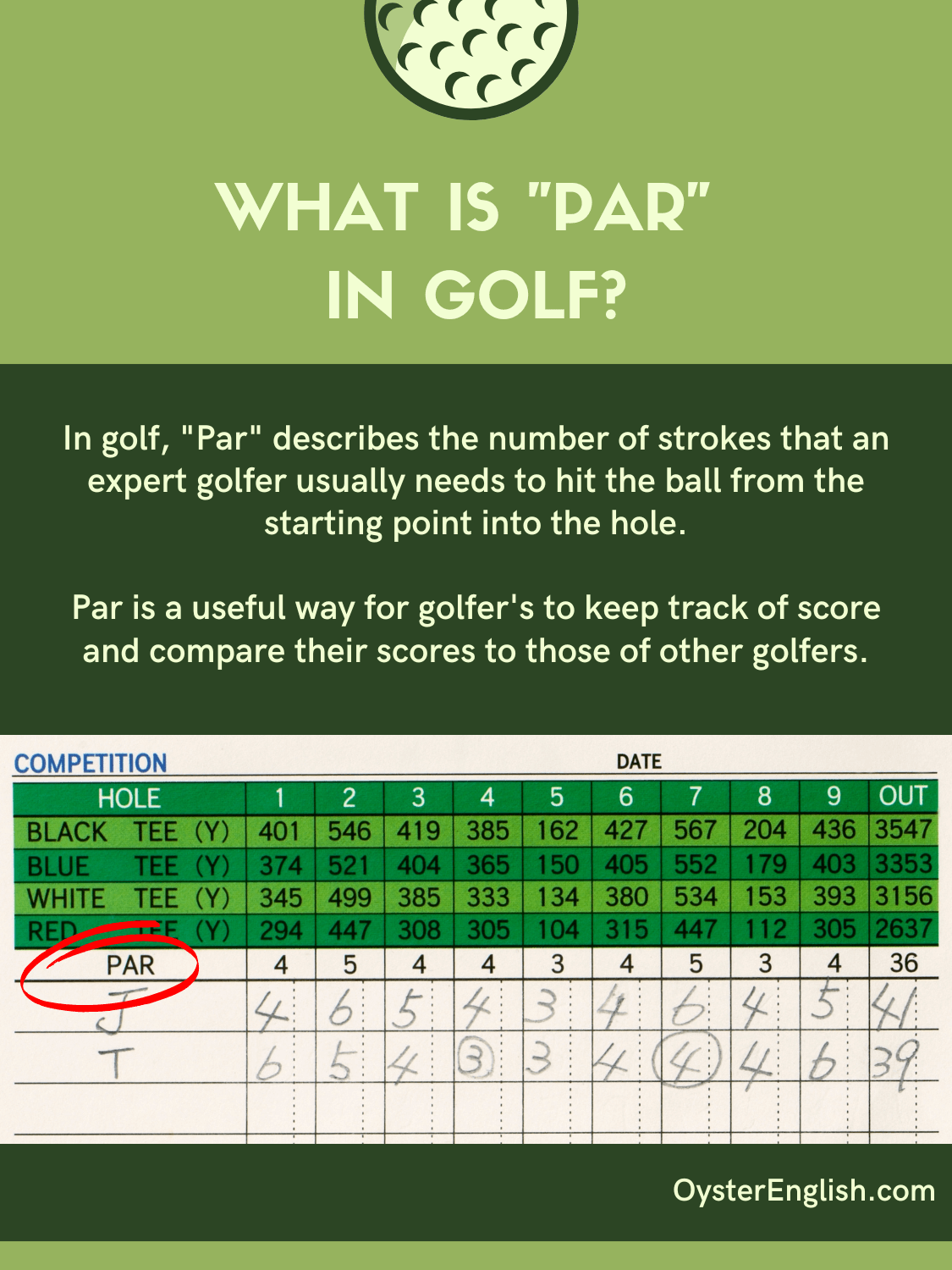
Idiom Par for the course (meaning & examples)
Of Course Meaning in Hindi Correct pronunciation of Of Course

Verbs Archives Page 27 of 100 English Study Here
‘Of Course’ or ‘Ofcourse’ Which is Correct?
of course meaning, origin, example, sentence, history
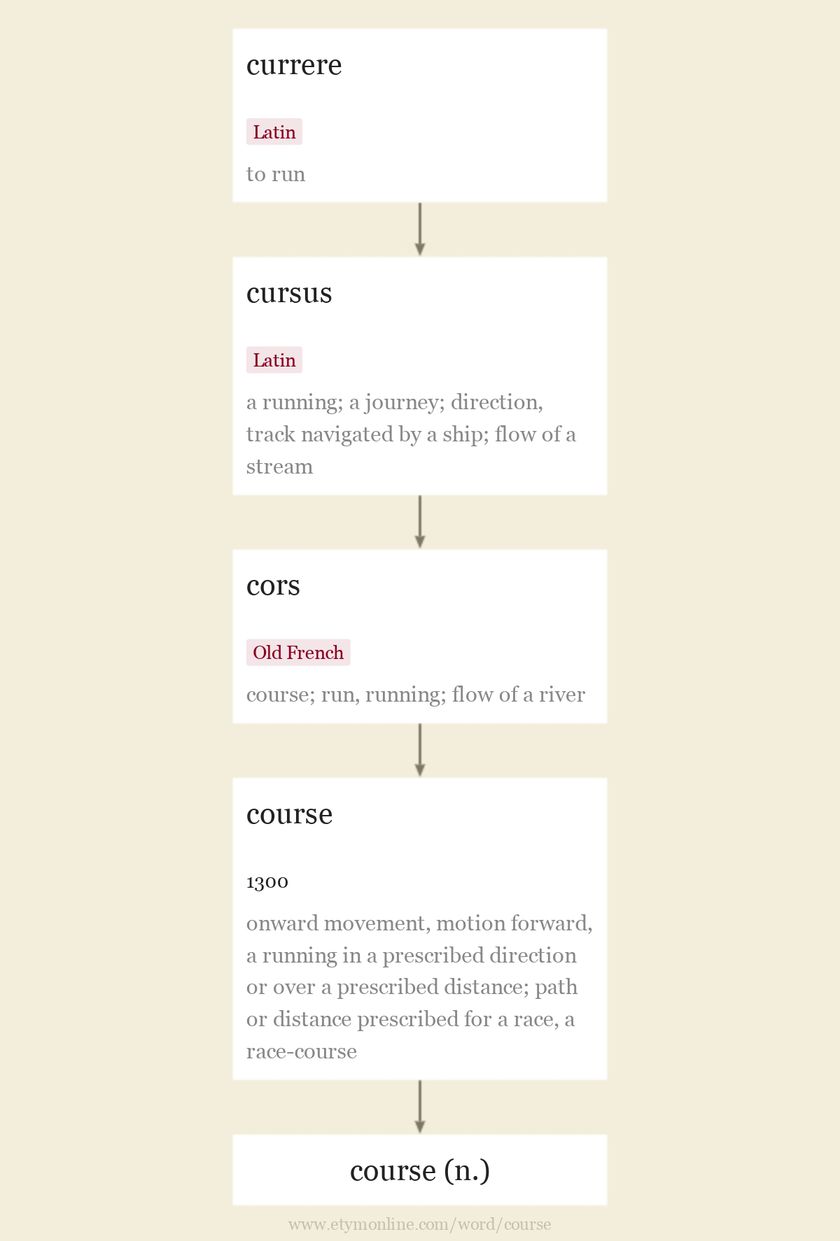
course Etymology, origin and meaning of course by

Of course — OF COURSE meaning YouTube

英語で「もちろん」は「Of course」? ネイティブがイメージする「Of course」と様々な言い換えを学ぼう! ネイティブキャンプ

Of course or ofcourse which form is correct? Difference…
The Phrase ‘Of Course’ Has Its Origins In The Longer Phrase ‘Matter Of Course,’ Which Signifies Something That Is Expected To Naturally Occur.
You Would Use 2Of Course” As A Response To A Question.
A Little Older Than Elvis, Of Course, But Close.
“Of Course” Is A Phrase That Means Yes, Certainly, And Without A Doubt.
Related Post: