
Soldier Course Vs Sailor Course
Soldier Course Vs Sailor Course - You’ll often see the soldier course around a door or window as way to. In laying bricks a soldier (or sailor) course is often used to transition between styles or along the edges. If you have a small area, a sailor course is advised so you don't lose out on too much of the inlay. You can see from the photo below the use of a soldier course in both cases. But with walks and pathways, it varys. Stretcher, header, rowlock, soldier, sailor, and shiner. A soldier course is a row of bricks laid vertically with the long narrow side of the brick exposed. Gotta know what best to achieve maximum production. This type of course is sometimes used for decorative effects over door and window. Both options have their own unique advantages and disadvantages, so it’s important to weigh the pros and cons of each before making a decision. Masonry units can be laid in six different orientations, each of which has been given a name to differentiate them: A soldier course is one in which brick are laid standing on end with the narrow edge facing out. In laying bricks a soldier (or sailor) course is often used to transition between styles or along the edges. Both options have their own unique advantages and disadvantages, so it’s important to weigh the pros and cons of each before making a decision. This type of course is sometimes used for decorative effects over door and window. You’ll often see the soldier course around a door or window as way to. First, let’s take a look. Soldier course means the pavers are laid with the short sides together for a strong and clean border. This type of course is sometimes used for decorative effects over door and window. A sailor course is typically a solid brick whereas a soldier course can be a regular brick (with holes). First, let’s take a look. A soldier course is one in which brick are laid standing on end with the narrow edge facing out. A sailor course is typically a solid brick whereas a soldier course can be a regular brick (with holes). Both options have their own unique advantages and disadvantages, so it’s important to weigh the pros and. In laying bricks a soldier (or sailor) course is often used to transition between styles or along the edges. Stretcher, header, rowlock, soldier, sailor, and shiner. You can see from the photo below the use of a soldier course in both cases. Rectangle pavers are lined up like soldiers standing at the ready. First, let’s take a look. In laying bricks a soldier (or sailor) course is often used to transition between styles or along the edges. A soldier course is one in which brick are laid standing on end with the narrow edge facing out. If you have a large area, a soldier course is advised so the border looks more impactful. A soldier course is a. Masonry units can be laid in six different orientations, each of which has been given a name to differentiate them: A soldier course is a row of bricks laid vertically with the long narrow side of the brick exposed. This type of course is sometimes used for decorative effects over door and window. Both options have their own unique advantages. Soldier a soldier course is one in which brick are laid standing on end with the narrow edge facing out. It appears from the photo the sailor course is a modular brick course and the running. A soldier course is a row of bricks laid vertically with the long narrow side of the brick exposed. But with walks and pathways,. A soldier course is a row of bricks laid vertically with the long narrow side of the brick exposed. Soldier course means the pavers are laid with the short sides together for a strong and clean border. If you have a small area, a sailor course is advised so you don't lose out on too much of the inlay. Both. If you have a small area, a sailor course is advised so you don't lose out on too much of the inlay. Both options have their own unique advantages and disadvantages, so it’s important to weigh the pros and cons of each before making a decision. You can see from the photo below the use of a soldier course in. If you have a large area, a soldier course is advised so the border looks more impactful. Masonry units can be laid in six different orientations, each of which has been given a name to differentiate them: Rectangle pavers are lined up like soldiers standing at the ready. A soldier course is one in which brick are laid standing on. Soldier course means the pavers are laid with the short sides together for a strong and clean border. You’ll often see the soldier course around a door or window as way to. It appears from the photo the sailor course is a modular brick course and the running. A soldier course is a row of bricks laid vertically with the. Masonry units can be laid in six different orientations, each of which has been given a name to differentiate them: Rectangle pavers are lined up like soldiers standing at the ready. This type of course is sometimes used for decorative effects over door and window. You’ll often see the soldier course around a door or window as way to. Stretcher,. If you have a small area, a sailor course is advised so you don't lose out on too much of the inlay. Masonry units can be laid in six different orientations, each of which has been given a name to differentiate them: First, let’s take a look. You’ll often see the soldier course around a door or window as way to. Soldier course means the pavers are laid with the short sides together for a strong and clean border. A sailor course is typically a solid brick whereas a soldier course can be a regular brick (with holes). Both options have their own unique advantages and disadvantages, so it’s important to weigh the pros and cons of each before making a decision. You can see from the photo below the use of a soldier course in both cases. Rectangle pavers are lined up like soldiers standing at the ready. This type of course is sometimes used for decorative effects over door and window. In laying bricks a soldier (or sailor) course is often used to transition between styles or along the edges. This type of course is sometimes used for decorative effects over door and window. It appears from the photo the sailor course is a modular brick course and the running. Stretcher, header, rowlock, soldier, sailor, and shiner. If you have a large area, a soldier course is advised so the border looks more impactful. Gotta know what best to achieve maximum production.
Basics of Paver Designs How to Hardscape
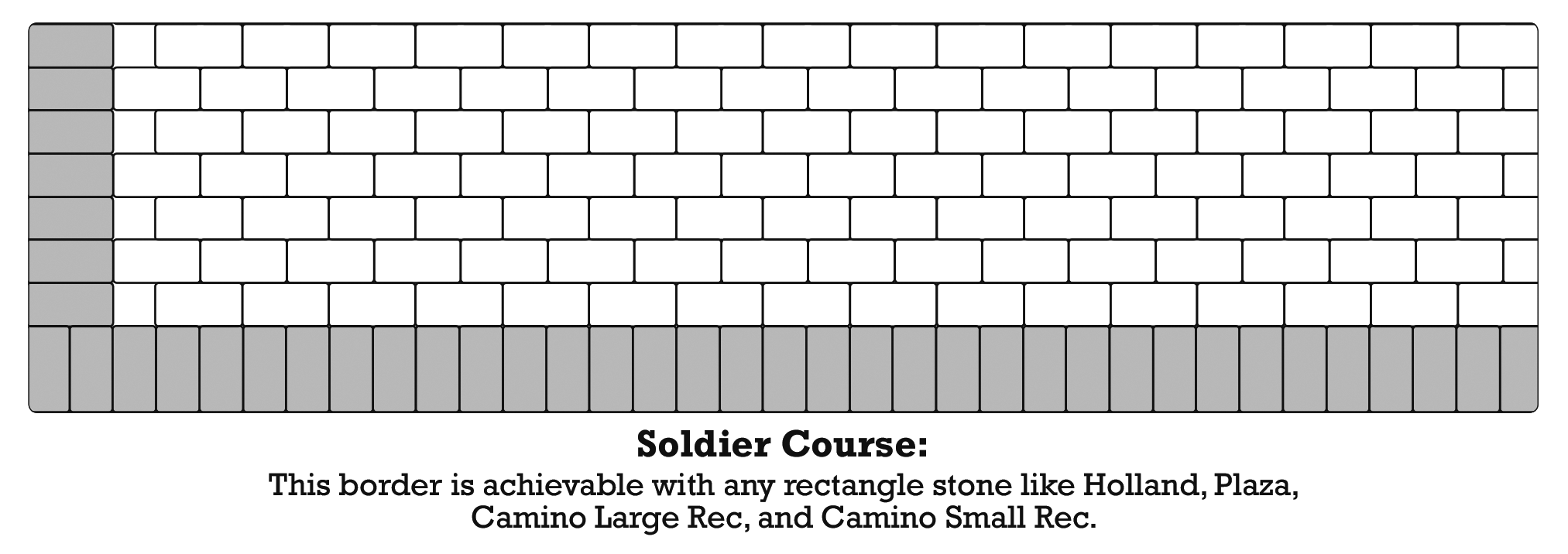
SOLDIER COURSE BORDER

Basics of Paver Designs How to Hardscape

Soldier Course and Rowlock Course in Brickwork

Basics of Paver Designs How to Hardscape

Basics of Paver Designs How to Hardscape
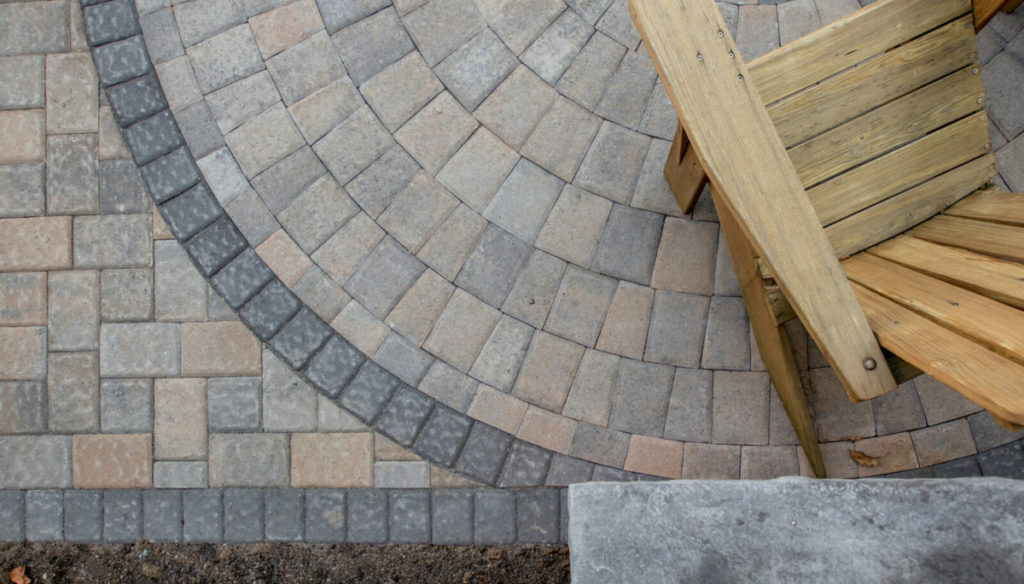
How to Design a Border For Pavers at Home DIY

Basics of Paver Designs How to Hardscape

Infinity Design Soltions, LLC Blog

Basics of Paver Designs How to Hardscape
But With Walks And Pathways, It Varys.
A Soldier Course Is A Row Of Bricks Laid Vertically With The Long Narrow Side Of The Brick Exposed.
A Soldier Course Is One In Which Brick Are Laid Standing On End With The Narrow Edge Facing Out.
Soldier A Soldier Course Is One In Which Brick Are Laid Standing On End With The Narrow Edge Facing Out.
Related Post: