
The Course Of Empire The Arcadian Or Pastoral State
The Course Of Empire The Arcadian Or Pastoral State - The course of empire comprises the following works: The savage state, the arcadian or pastoral state,. The scene is replete with white marble, columns, collunades and. The paintings proceed as such: The arcadian or pastoral state; This work depicts the same patch of land as seen in the savage. The second work in the course of an empire series is titled the arcadian or pastoral state is oil on canvas painted in 1834. The savage state, the arcadian or pastoral state, the consummation of empire, destruction, and desolation. Fast shippingdeals of the dayshop best sellersshop our huge selection In the second painting, the arcadian or pastoral state, the sky has cleared and we are in the fresh morning of a day in spring or early summer. The savage state, the arcadian or pastoral state, the consummation of empire, destruction, and desolation. The savage state, the arcadian or pastoral state,. Withthe course of empire, thomas cole achieved what he described as a “higher style of landscape,” one suffused with historical associations, moralistic narrative, and what the artist. The arcadian or pastoral state; The paintings proceed as such: The second work in the course of an empire series is titled the arcadian or pastoral state is oil on canvas painted in 1834. Thomas cole's the course of empire is an epic five piece telling of the rise and fall of rome. In the resulting series, the course of. In 1833 thomas cole secured a commission from new york merchant luman reed to paint a cycle of five paintings for the art gallery in his home. Fast shippingdeals of the dayshop best sellersshop our huge selection The scene is replete with white marble, columns, collunades and. The paintings proceed as such: The arcadian or pastoral state; The savage state, the arcadian or pastoral state,. It reflected popular american sentiments of the times when many saw pastoralism. Thomas cole's the course of empire is an epic five piece telling of the rise and fall of rome. The savage state, the arcadian or pastoral state, the consummation of empire, destruction, and desolation. The course of empire comprises the following works: The resulting series charts the course of an imaginative empire as it appears in the midst of wilderness,. Thomas cole's the course of empire is an epic five piece telling of the rise and fall of rome. Arcadian or the pastoral state by thomas cole. Want to read more about the behind. The scene is replete with white marble, columns, collunades and. In the second painting, the arcadian or pastoral state, the sky has cleared and we are. The paintings proceed as such: The resulting series charts the course of an imaginative empire as it appears in the midst of wilderness, expands into a glistening metropolis, and collapses into ruin. Want to read more about the behind. Arcadian or the pastoral state by thomas cole. The course of empire comprises the following works: The savage state, the arcadian or pastoral state, the consummation of empire, destruction, and desolation. Thomas cole's the course of empire is an epic five piece telling of the rise and fall of rome. The consumation of empire is full of classical imagery. Want to read more about the behind. It reflected popular american sentiments of the times when many. The savage state, the arcadian or pastoral state,. The second work in the course of an empire series is titled the arcadian or pastoral state is oil on canvas painted in 1834. The savage state, the arcadian or pastoral state, the consummation of empire, destruction, and desolation. It reflected popular american sentiments of the times when many saw pastoralism. Fast. In 1833 thomas cole secured a commission from new york merchant luman reed to paint a cycle of five paintings for the art gallery in his home. In the second painting, the arcadian or pastoral state, the sky has cleared and we are in the fresh morning of a day in spring or early summer. In the resulting series, the. Withthe course of empire, thomas cole achieved what he described as a “higher style of landscape,” one suffused with historical associations, moralistic narrative, and what the artist. Arcadian or the pastoral state by thomas cole. The scene is replete with white marble, columns, collunades and. It reflected popular american sentiments of the times when many saw pastoralism. The savage state,. The resulting series charts the course of an imaginative empire as it appears in the midst of wilderness, expands into a glistening metropolis, and collapses into ruin. This work depicts the same patch of land as seen in the savage. In the resulting series, the course of. It reflected popular american sentiments of the times when many saw pastoralism. The. Thomas cole's the course of empire is an epic five piece telling of the rise and fall of rome. The consumation of empire is full of classical imagery. The savage state, the arcadian or pastoral state,. It reflected popular american sentiments of the times when many saw pastoralism. The second work in the course of an empire series is titled. The savage state, the arcadian or pastoral state,. In the resulting series, the course of. Arcadian or the pastoral state by thomas cole. Want to read more about the behind. The course of empire comprises the following works: The second work in the course of an empire series is titled the arcadian or pastoral state is oil on canvas painted in 1834. Withthe course of empire, thomas cole achieved what he described as a “higher style of landscape,” one suffused with historical associations, moralistic narrative, and what the artist. The arcadian or pastoral state; The savage state, the arcadian or pastoral state, the consummation of empire, destruction, and desolation. It reflected popular american sentiments of the times when many saw pastoralism. The consumation of empire is full of classical imagery. The paintings proceed as such: The resulting series charts the course of an imaginative empire as it appears in the midst of wilderness, expands into a glistening metropolis, and collapses into ruin. Fast shippingdeals of the dayshop best sellersshop our huge selection This work depicts the same patch of land as seen in the savage.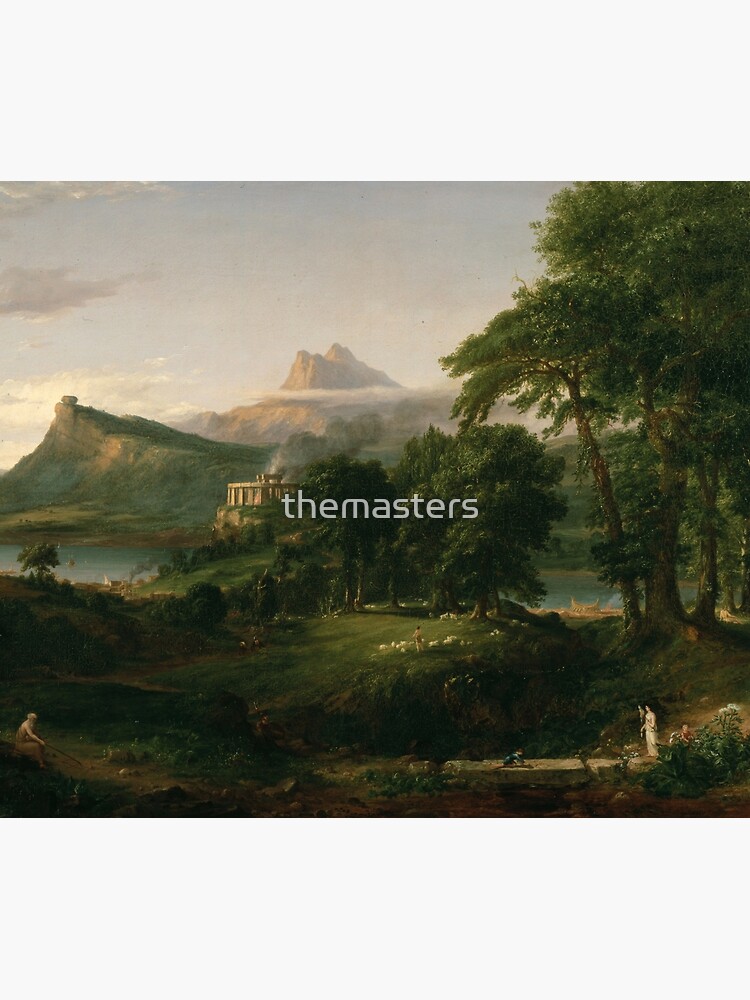
"The Course of Empire The Arcadian or Pastoral State Thomas Cole" Tapestry by themasters
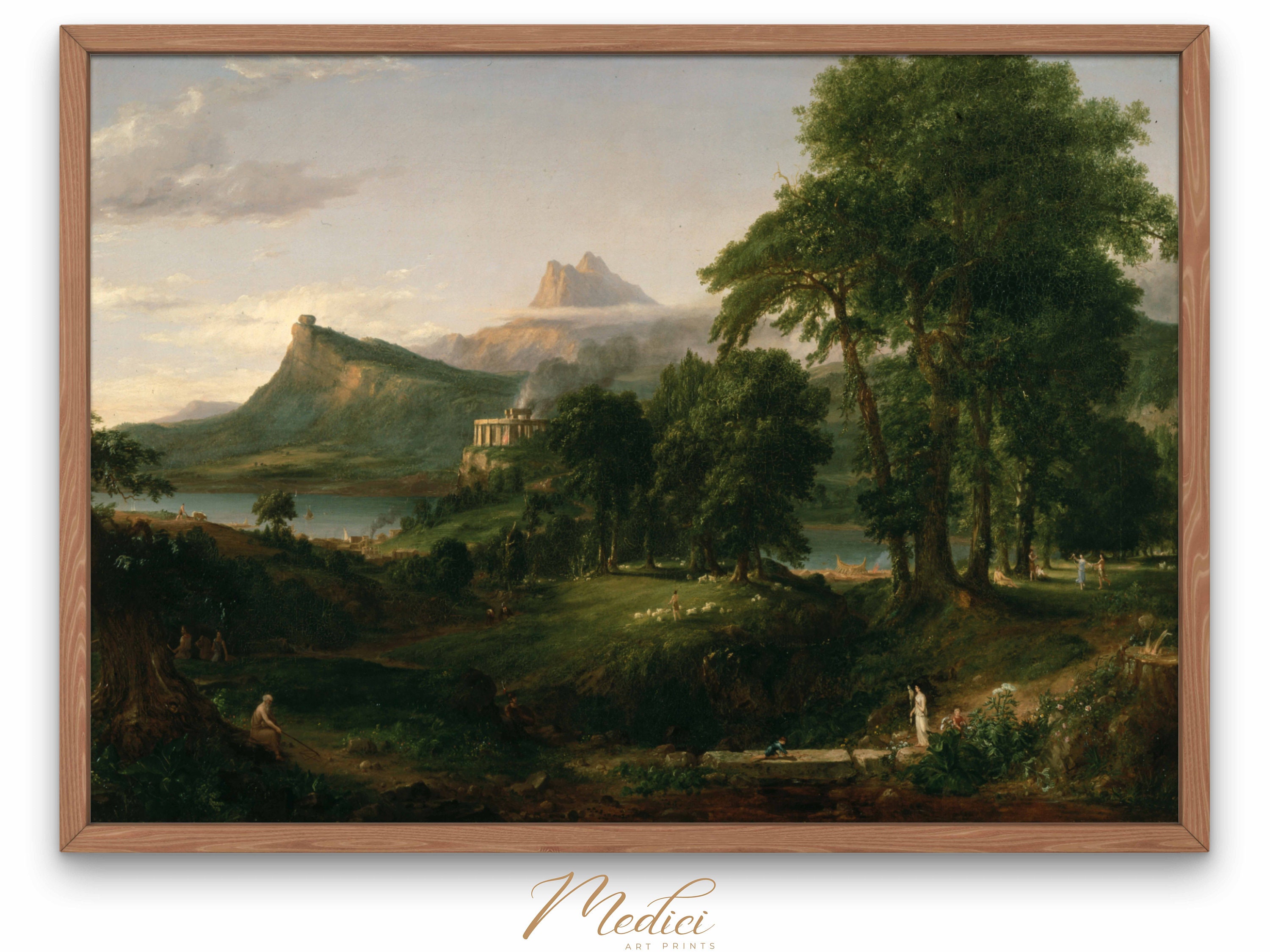
Thomas Cole, the Course of Empire the Arcadian or Pastoral State 19th Century Painting
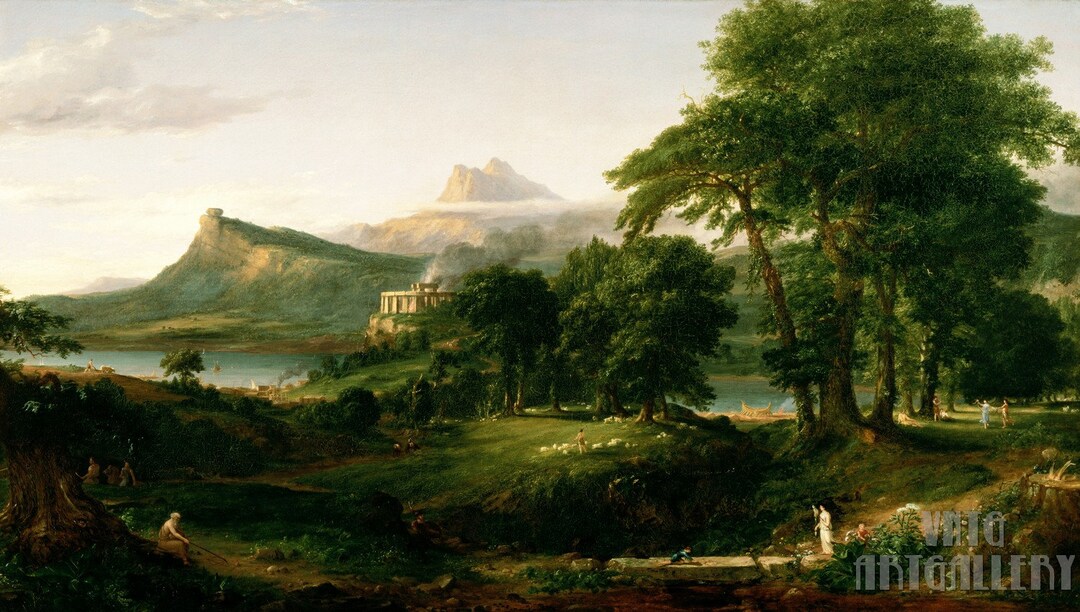
Thomas Cole the Course of Empire the Arcadian Pastoral State 1836 Canvas Gallery Wrapped or

versacrum Thomas Cole, The Course of Empire, 183336The Savage State, 1834The Arcadian or

Thomas Cole The Course of Empire The Arcadian or Pastoral State. Detail. 1836.
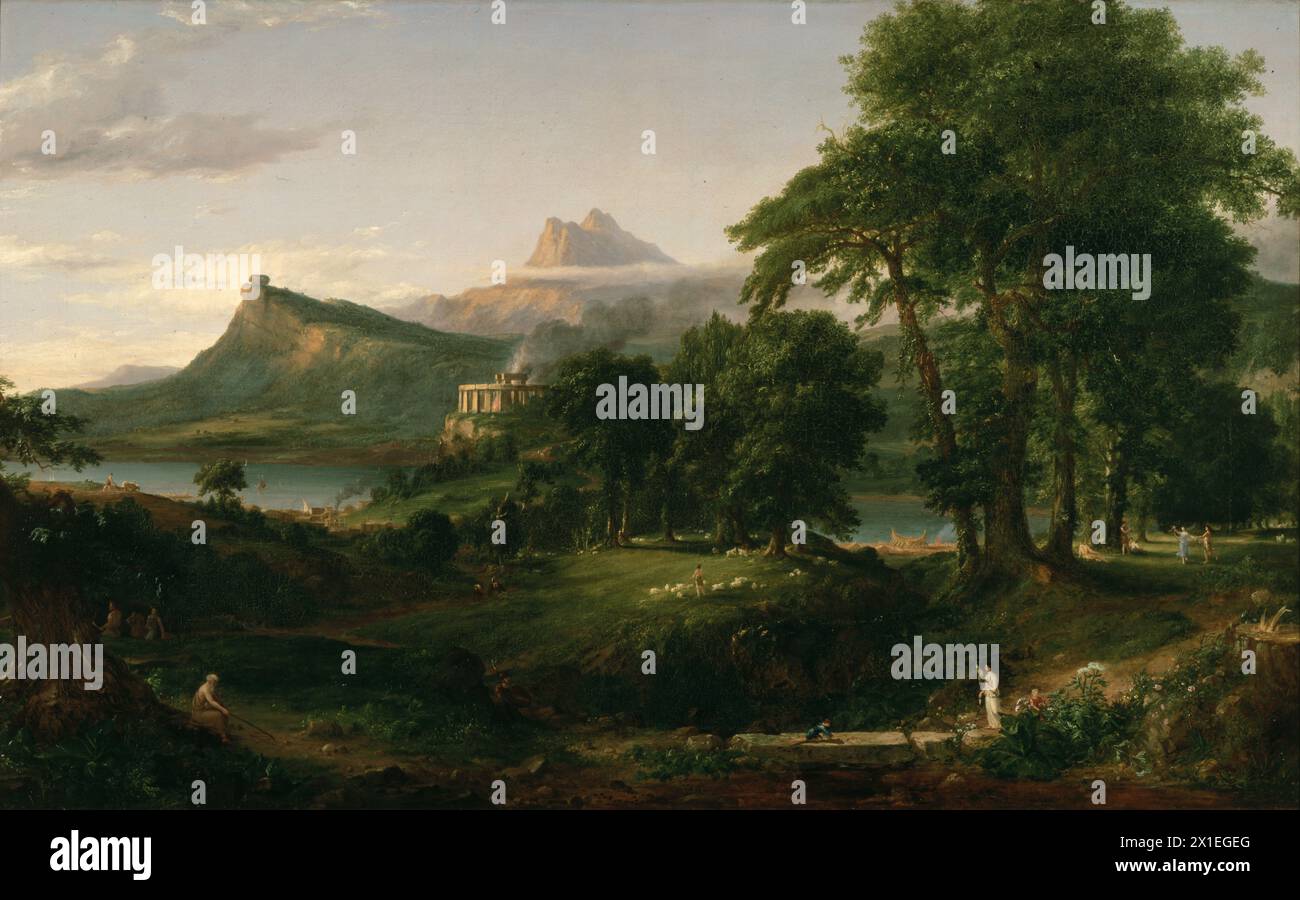
The Arcadian or Pastoral State, second painting in The Course of Empire, by Thomas Cole The
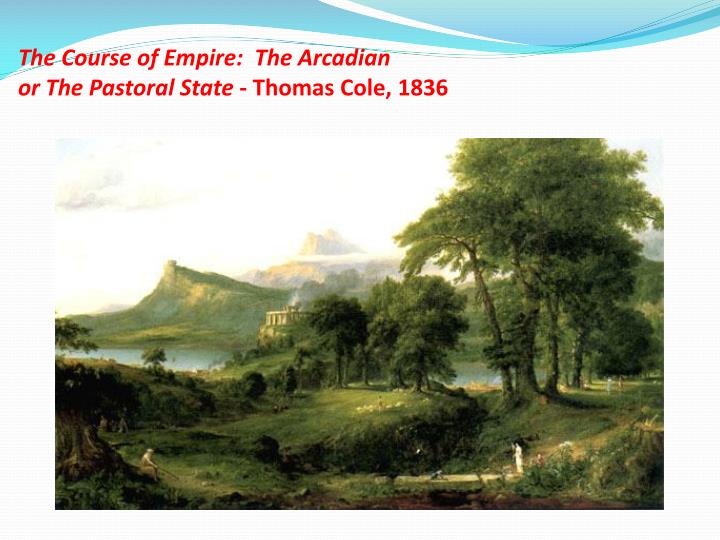
PPT American Art & Literature PowerPoint Presentation ID3277729
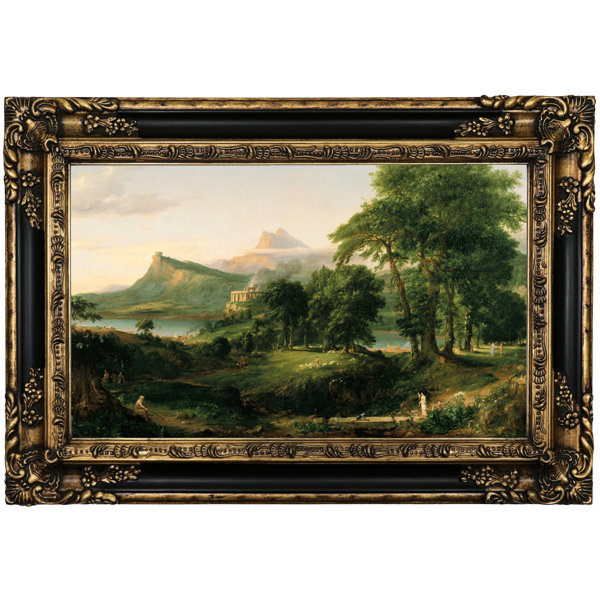
Astoria Grand " The Course Of Empire The Arcadian Or Pastoral State 1836 " by Thomas Cole on
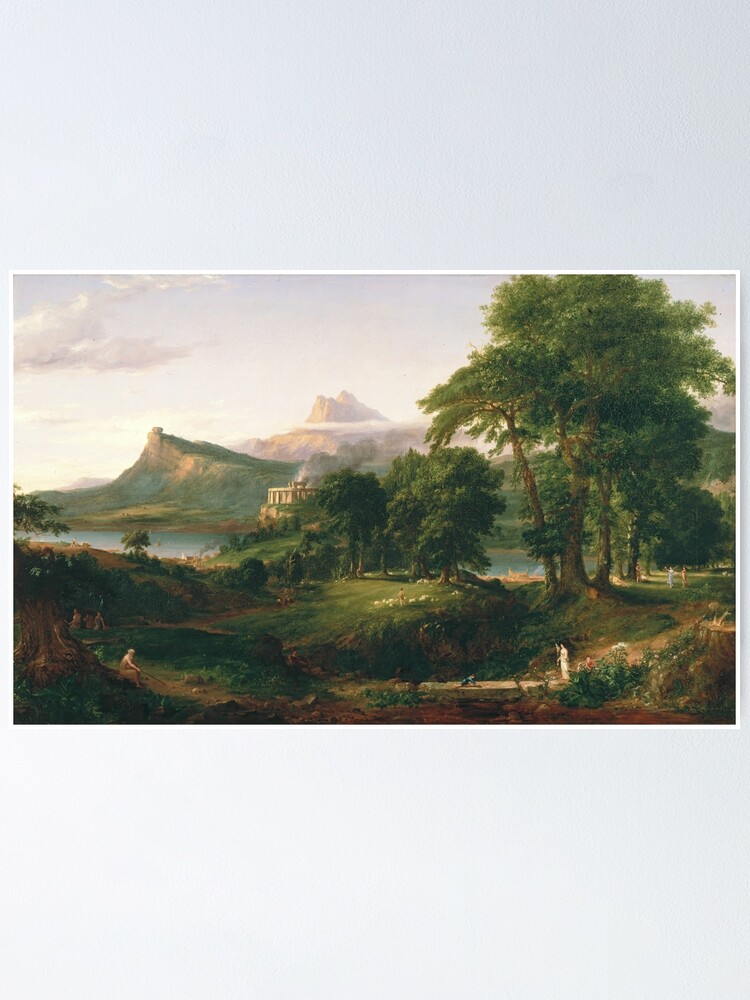
"Thomas Cole The Course of Empire The Arcadian or Pastoral State (1834)" Poster for Sale by
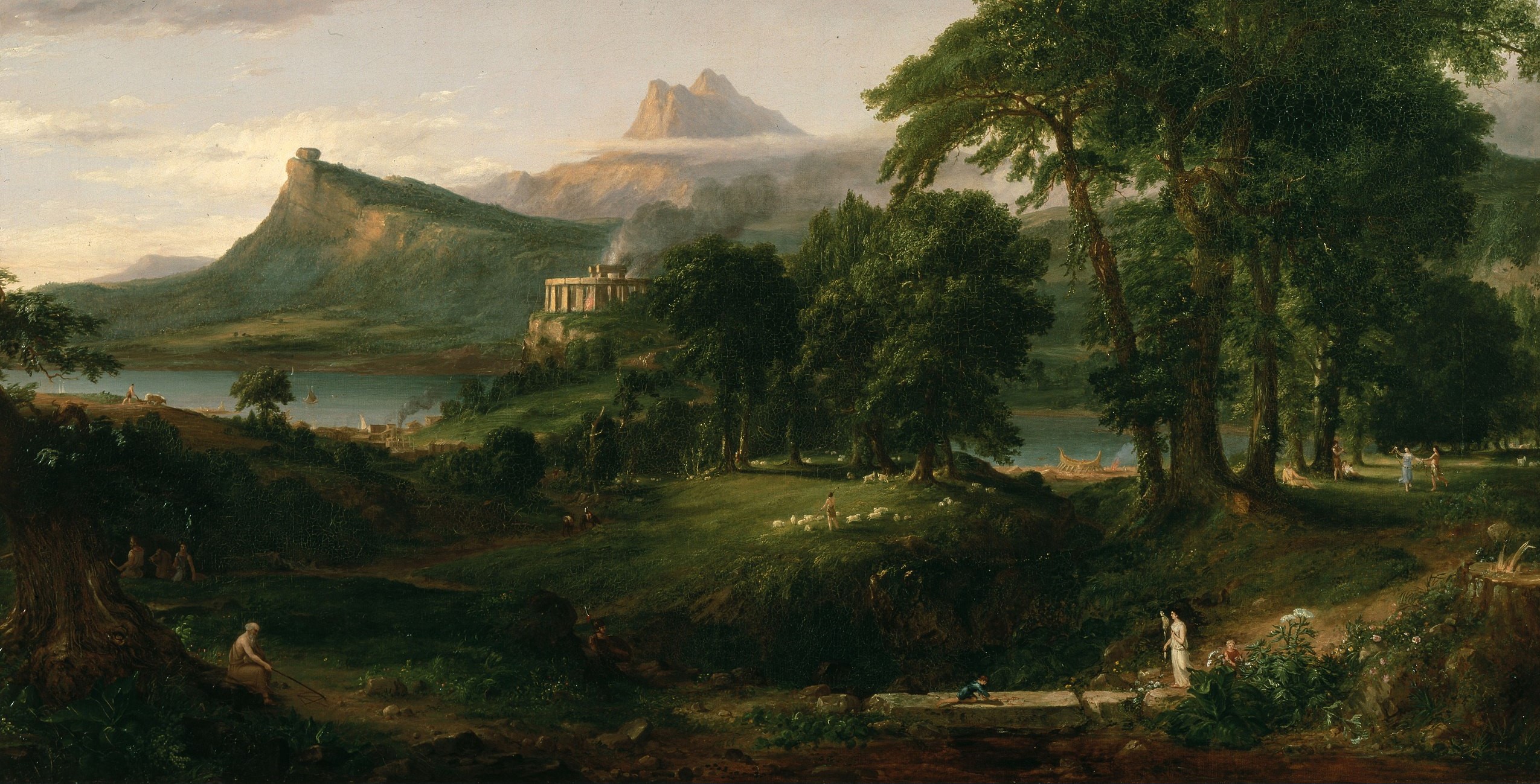
The Course of Empire The Arcadian or Pastoral State (1834) Document
Thomas Cole's The Course Of Empire Is An Epic Five Piece Telling Of The Rise And Fall Of Rome.
In 1833 Thomas Cole Secured A Commission From New York Merchant Luman Reed To Paint A Cycle Of Five Paintings For The Art Gallery In His Home.
The Scene Is Replete With White Marble, Columns, Collunades And.
In The Second Painting, The Arcadian Or Pastoral State, The Sky Has Cleared And We Are In The Fresh Morning Of A Day In Spring Or Early Summer.
Related Post: