
To Cross Tracks That Run Parallel To Your Course
To Cross Tracks That Run Parallel To Your Course - To safely cross trolley tracks, railroad tracks, ruts, or pavement seams running parallel to your lane, move to a lane position that will allow you to cross them at an angle. Consider lines or tracks running parallel to your current course. Explanation to safely cross railroad tracks, trolley tracks, or pavement seams running parallel to your lane, move to a lane position that will allow you to cross them at an angle of at least 45. To safely cross trolley tracks, railroad tracks, ruts, or pavement seams running parallel to your lane, move to a lane position that will allow you to cross them at an angle that is as close to 90. Wait for the tracks to end d: It's necessary to turn when you want to cross something that is running parallel to your course, such as railway or streetcar tracks, ruts in the middle of the road or a pavement seam. The first, and safest way, to cross angled railroad tracks is to not cross them at an angle. To cross tracks that run parallel to your course: To safely cross railroad tracks, trolley tracks, or pavement seams running parallel to your lane, move to a lane position that will allow you to cross them at an angle of at least 45 degrees. The correct choice in this scenario is to. To cross tracks that run parallel to your course: It is generally safer and more efficient to cross such lines at certain angles. To safely cross parallel railroad tracks, one should move far away enough to cross at a minimum angle of 90 degrees for quick crossing and optimal visibility. To cross tracks that run parallel to your course: Study with quizlet and memorize flashcards containing terms like to cross tracks that run parallel to your course, the greatest danger for a rider when passing parked cars is, when swerving it. When approaching railroad tracks that run parallel to your lane, it's important to cross them safely to minimize the risk of accidents. Don't have to be at 90 degress. To safely cross railroad tracks, trolley tracks, or pavement seams running parallel to your lane, move to a lane position that will allow you to cross them at an angle of at least 45 degrees. To cross tracks that run parallel to your course, the best option is to signal and proceed with caution. If tracks run parallel with your path, ride far away from them. The first, and safest way, to cross angled railroad tracks is to not cross them at an angle. To cross tracks that run parallel to your course, the best option is to signal and proceed with caution. To safely cross railroad tracks, trolley tracks, or pavement seams running parallel to your lane, move to a lane position that will allow. One must always follow traffic safety guidelines, slow down when. The first, and safest way, to cross angled railroad tracks is to not cross them at an angle. Explanation to safely cross railroad tracks, trolley tracks, or pavement seams running parallel to your lane, move to a lane position that will allow you to cross them at an angle of. Wait for the tracks to end d: Consider lines or tracks running parallel to your current course. If you need to cross the tracks, do it at about a 45 degree angle or more. The first, and safest way, to cross angled railroad tracks is to not cross them at an angle. It is generally safer and more efficient to. To cross tracks that run parallel to your course: To cross tracks that run parallel to your course: Consider lines or tracks running parallel to your current course. If tracks run parallel with your path, ride far away from them. To safely cross trolley tracks, railroad tracks, ruts, or pavement seams running parallel to your lane, move to a lane. To cross tracks that run parallel to your course: Explanation to safely cross railroad tracks, trolley tracks, or pavement seams running parallel to your lane, move to a lane position that will allow you to cross them at an angle of at least 45. It's necessary to turn when you want to cross something that is running parallel to your. To cross tracks that run parallel to your course: To cross tracks that run parallel to your course appropriately, it is essential to consider the safest and most efficient way to navigate the situation. Don't have to be at 90 degress. To safely cross trolley tracks, railroad tracks, ruts, or pavement seams running parallel to your lane, move to a. To safely cross railroad tracks, trolley tracks, or pavement seams running parallel to your lane, move to a lane position that will allow you to cross them at an angle of at least 45 degrees. Explanation to safely cross trolley tracks, railroad tracks, ruts, or pavement seams running parallel to your lane, move to a lane position that will allow. It is generally safer and more efficient to cross such lines at certain angles. The correct choice in this scenario is to. To safely cross parallel railroad tracks, one should move far away enough to cross at a minimum angle of 90 degrees for quick crossing and optimal visibility. The first, and safest way, to cross angled railroad tracks is. Move away, then turn and cross at an angle of at least 45 degrees in the picture below, the car is waiting to enter the intersection. It's necessary to turn when you want to cross something that is running parallel to your course, such as railway or streetcar tracks, ruts in the middle of the road or a pavement seam.. If you need to cross the tracks, do it at about a 45 degree angle or more. To safely cross trolley tracks, railroad tracks, ruts, or pavement seams running parallel to your lane, move to a lane position that will allow you to cross them at an angle of at least 45. Increase your speed before the tracks. It is. If the tracks are to your left, start on the right side of your lane and cut over similar to the swerve test from msf. To safely cross railroad tracks, trolley tracks, or pavement seams running parallel to your lane, move to a lane position that will allow you to cross them at an angle of at least 45 degrees. To cross tracks that run parallel to your course, the best option is to signal and proceed with caution. To safely cross railroad tracks, trolley tracks, or pavement seams running parallel to your lane, move to a lane position that will allow you to cross them at an angle of at least 45 degrees. Either cut all the way over both tracks or cut to the middle then make another. To safely cross trolley tracks, railroad tracks, ruts, or pavement seams running parallel to your lane, move to a lane position that will allow you to cross them at an angle that is as close to 90. One must always follow traffic safety guidelines, slow down when. The correct choice in this scenario is to. To safely cross parallel railroad tracks, one should move far away enough to cross at a minimum angle of 90 degrees for quick crossing and optimal visibility. To cross tracks that run parallel to your course: Explanation to safely cross railroad tracks, trolley tracks, or pavement seams running parallel to your lane, move to a lane position that will allow you to cross them at an angle of at least 45. To cross tracks that run parallel to your course appropriately, it is essential to consider the safest and most efficient way to navigate the situation. To safely cross trolley tracks, railroad tracks, ruts, or pavement seams running parallel to your lane, move to a lane position that will allow you to cross them at an angle. To safely cross trolley tracks, railroad tracks, ruts, or pavement seams running parallel to your lane, move to a lane position that will allow you to cross them at an angle of at least 45. Increase your speed before the tracks. To cross tracks that run parallel to your course:
Parallel Tracks With Athletes Image Presentation Graphics

Two trains, each 880 yd long, are running in opposite directions on

A Truck Driver's Guide to Safely Navigating Railroad Crossings Easley
Two trains,each of length 100 m,are running on parallel tracks.One

17 Parallel Lines Examples in Real Life StudiousGuy
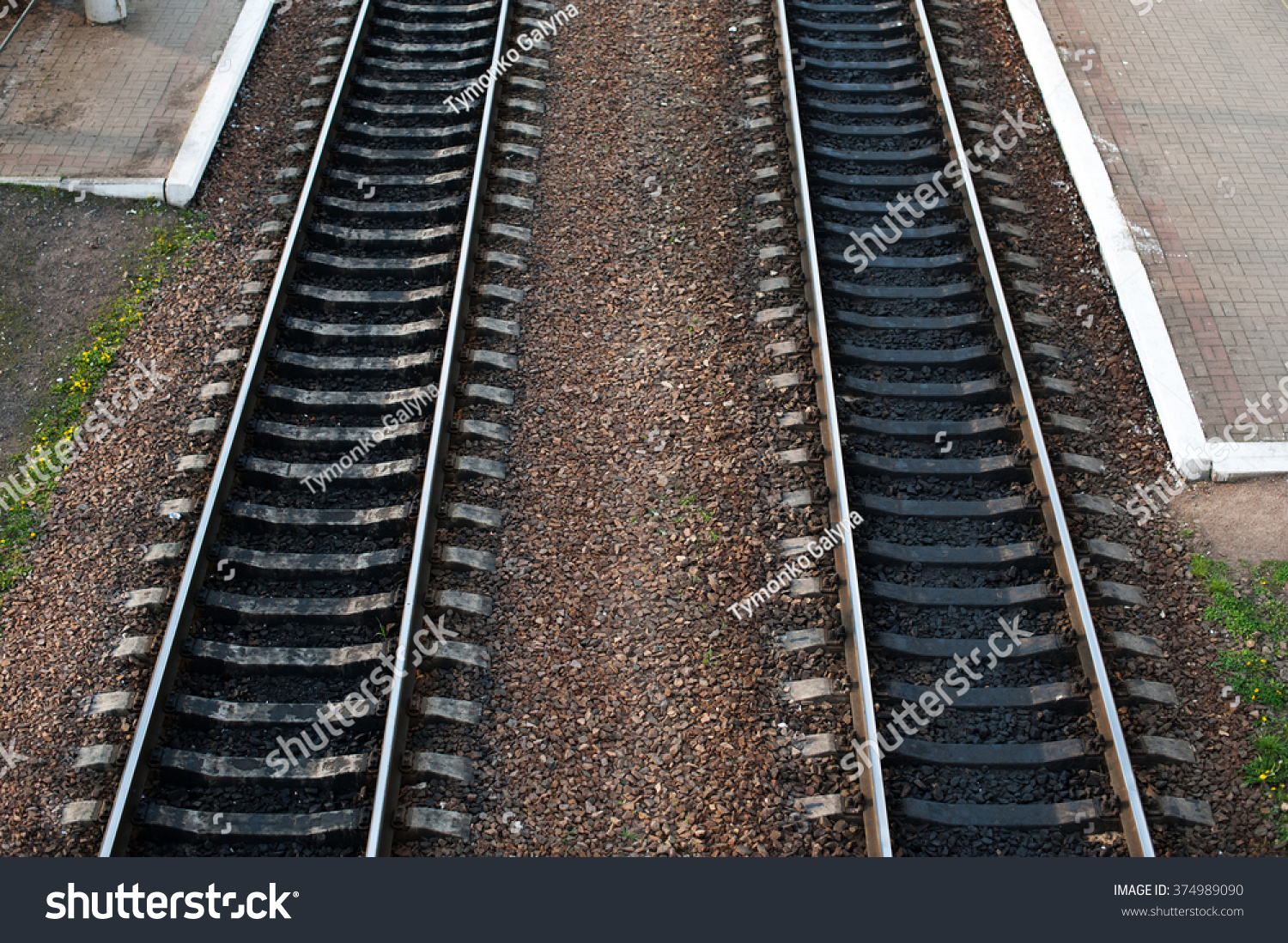
Railroad tracks parallel Images, Stock Photos & Vectors Shutterstock
Two trains,each of length 100 m,are running on parallel tracks.One
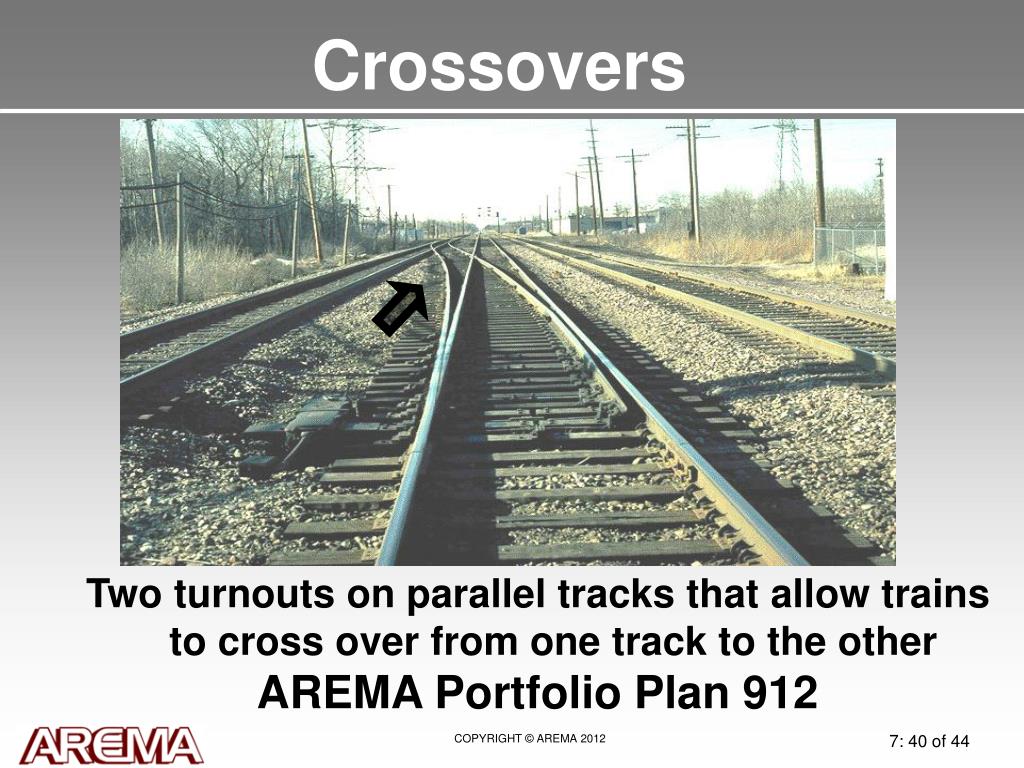
PPT Module 7 Basic Track Part II PowerPoint Presentation, free
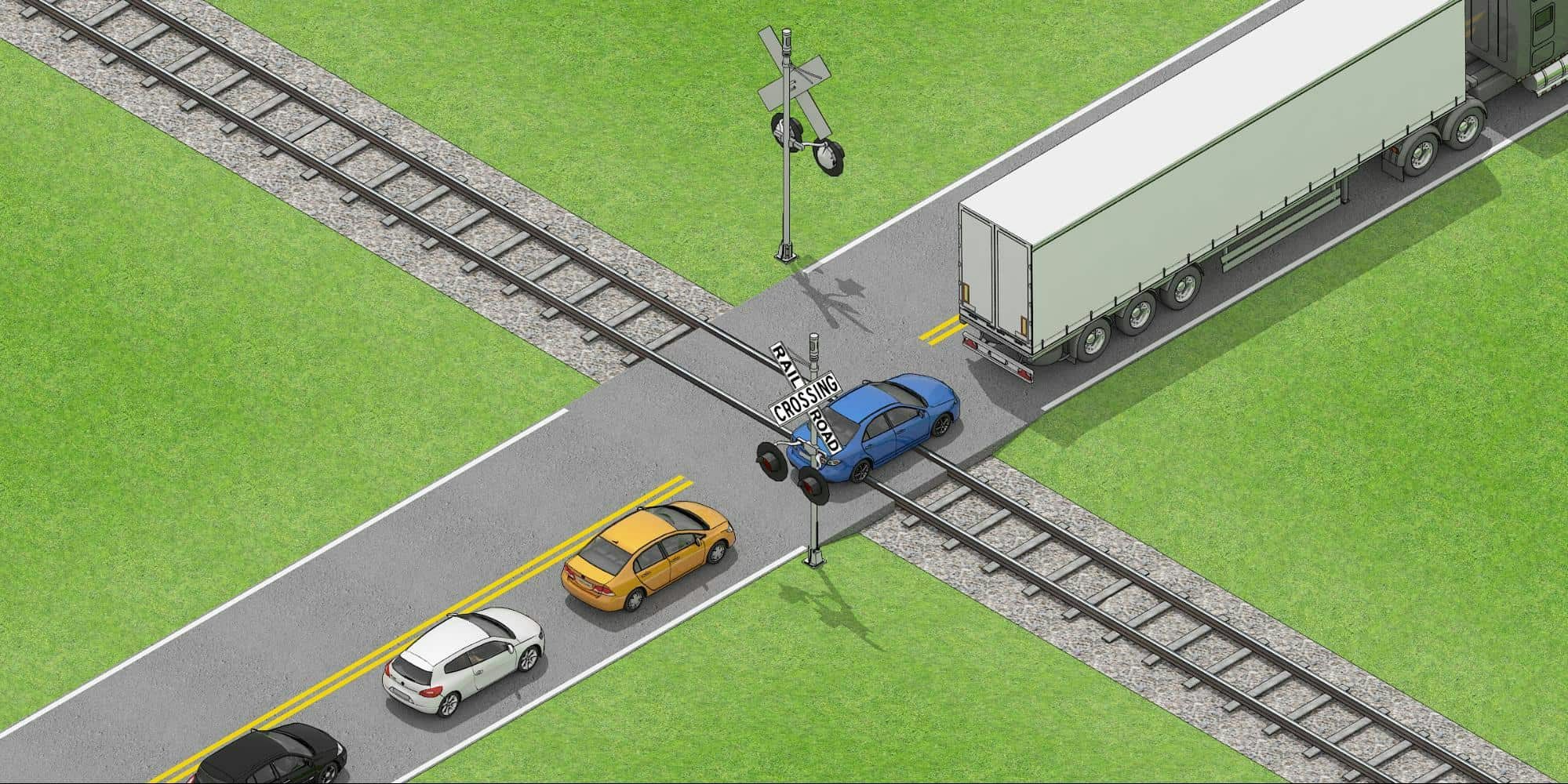
Railroad Crossings A Complete Driver's Guide Zutobi Drivers Ed
Two trains each of length 100 m moving parallel towards each other at
Move Away, Then Turn And Cross At An Angle Of At Least 45 Degrees In The Picture Below, The Car Is Waiting To Enter The Intersection.
It Is Generally Safer And More Efficient To Cross Such Lines At Certain Angles.
When Approaching Railroad Tracks That Run Parallel To Your Lane, It's Important To Cross Them Safely To Minimize The Risk Of Accidents.
If Tracks Run Parallel With Your Path, Ride Far Away From Them.
Related Post: