
World Civilization Course
World Civilization Course - World civilization from renaissance to present; We will learn how to think. Explores fundamental questions in the human experience, examines formative events in history, and seeks to teach value of. Introduction to the development of western civilization and the modern world: Describe and analyze the dynamics of key civilizations throughout the world prior to 1650. This course introduces world history from the dawn of civilization to the early modern era. It covers the origins, development and achievements of the major civilizations and stresses the interrelations of societies and cultures of the past, comparing the experience of peoples and. World civilization from greek antiquity to renaissance; In this course, we will explore human culture in its myriad expressions, focusing on the study of literary, religious and philosophical texts as ways of narrating, symbolizing, and commenting. Ancient medieval and early modern history. This course introduces world history from the dawn of civilization to the early modern era. Explore gallaudet university's his 101: Journey through the ancient world as you uncover the stories of civilizations that shaped our modern society. In a survey of world civilizations, this course will focus on civilizations before 1492. Topics in world history (hist 114) 54 documents. Explores fundamental questions in the human experience, examines formative events in history, and seeks to teach value of. So if you want to know the history of any civ. Delve into key historical events and cultures shaping our world. This free world history course introduces you to the rise and fall of influential. Explore how significant factors such as religion, trades, disease and cultural contacts. Introduces major themes and events in world history from the ancient to the early modern periods through the study of the arts (fine and performing), architecture, literature, religions,. Explore how significant factors such as religion, trades, disease and cultural contacts. It covers the origins, development and achievements of the major civilizations and stresses the interrelations of societies and cultures of. Ancient medieval and early modern history. Explore gallaudet university's his 101: This course introduces world history from the dawn of civilization to the early modern era. Introduces major themes and events in world history from the ancient to the early modern periods through the study of the arts (fine and performing), architecture, literature, religions,. Explore how significant factors such as. A survey of world civilizations covers the period from prehistory to the sixteenth century. Journey through the ancient world as you uncover the stories of civilizations that shaped our modern society. World civilization from renaissance to present; While classical western cultures such as those of rome, greece, and egypt will be highlighted, attention and. Explore how significant factors such as. A survey of world civilizations covers the period from prehistory to the sixteenth century. This course introduces world history from the dawn of civilization to the early modern era. The fertile crescent, india, africa, eurasia, and the americas. Topics in world history (hist 114) 54 documents. This course surveys global civilizations from africa and the americas to eurasia to explore. So if you want to know the history of any civ. In a survey of world civilizations, this course will focus on civilizations before 1492. Describe and analyze the dynamics of key civilizations throughout the world prior to 1650. This free world history course introduces you to the rise and fall of influential. World civilization from greek antiquity to renaissance; Explore how significant factors such as religion, trades, disease and cultural contacts. In this course, we will explore human culture in its myriad expressions, focusing on the study of literary, religious and philosophical texts as ways of narrating, symbolizing, and commenting. A survey of world civilizations covers the period from prehistory to the sixteenth century. Topics in world history (hist. Delve into key historical events and cultures shaping our world. The heart of the course is to compare and contrast civilizations and cultures from five key regions: We will learn how to think. Explores fundamental questions in the human experience, examines formative events in history, and seeks to teach value of important texts. Introduces major themes and events in world. To be properly registered, students. World civilization from greek antiquity to renaissance; Ancient medieval and early modern history. It covers the origins, development and achievements of the major civilizations and stresses the interrelations of societies and cultures of the past, comparing the experience of peoples and. Introduction to the development of western civilization and the modern world: Ancient medieval and early modern history. The fertile crescent, india, africa, eurasia, and the americas. Introduction to the development of western civilization and the modern world: Topics in world history (hist 114) 54 documents. This course introduces world history from the dawn of civilization to the early modern era. So if you want to know the history of any civ. Physical education · online · college · communication · leadership · faqs This course introduces world history from the dawn of civilization to the early modern era. World civilization from greek antiquity to renaissance; This course surveys global civilizations from africa and the americas to eurasia to explore changes. Explore how significant factors such as religion, trades, disease and cultural contacts. Ancient medieval and early modern history. This course surveys global civilizations from africa and the americas to eurasia to explore changes in communication, communities, demography, economics, environment, politics,. In a survey of world civilizations, this course will focus on civilizations before 1492. It covers the origins, development and achievements of the major civilizations and stresses the interrelations of societies and cultures of the past, comparing the experience of peoples and. World civilization from greek antiquity to renaissance; Delve into key historical events and cultures shaping our world. The fertile crescent, india, africa, eurasia, and the americas. We will learn how to think. This course introduces world history from the dawn of civilization to the early modern era. This course introduces world history from the dawn of civilization to the early modern era. Students shared 54 documents in this course. Explores fundamental questions in the human experience, examines formative events in history, and seeks to teach value of. Introduction to the development of western civilization and the modern world: Explore gallaudet university's his 101: Introduces major themes and events in world history from the ancient to the early modern periods through the study of the arts (fine and performing), architecture, literature, religions,.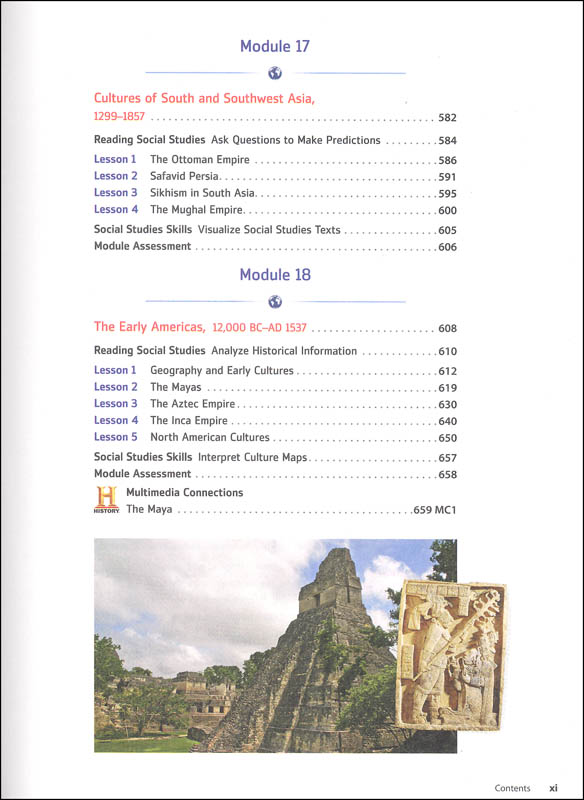
World Civilizations Homeschool Package Grade 68 Houghton Mifflin

Early Civilization Map Activity

HIS111 World Civilizations I Essay World Civilizations I is a

Foundations of World Culture I World Civilizations and Texts Free

Course Introduction World Civilizations to 1550 CE YouTube

Quia Class Page World History 13rd hour
Rethinking Civilization Crash Course World History 201 YouTube
PPT WORLD CIVILIZATION PowerPoint Presentation, free download ID

World History Characteristics of civilization Module 1
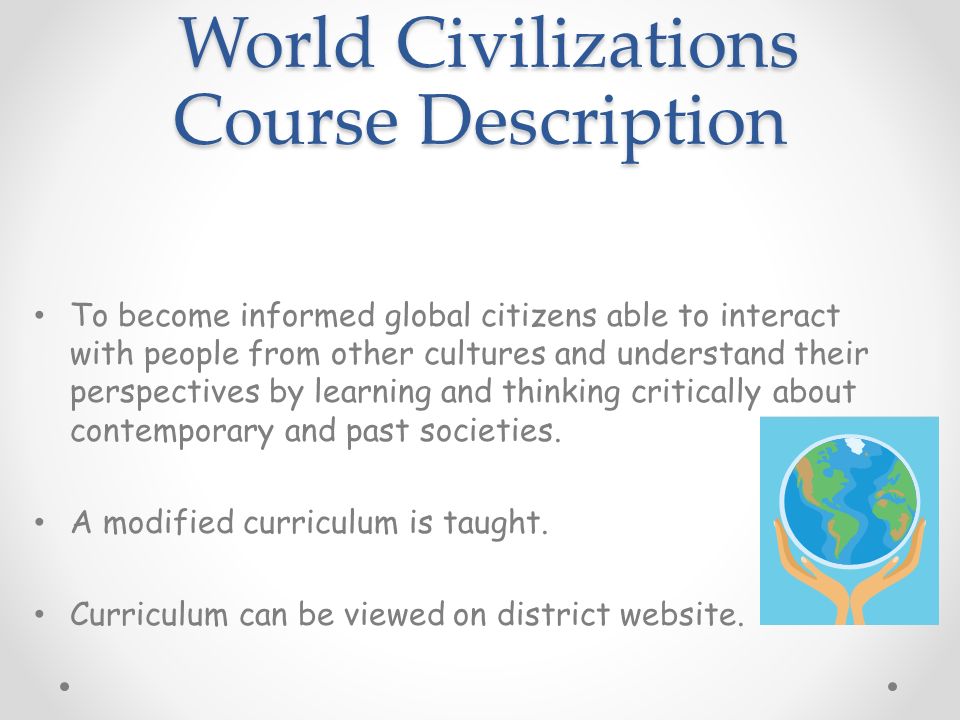
to World Civilizations Miss DuBois. World Civilizations Course
Physical Education · Online · College · Communication · Leadership · Faqs
Topics In World History (Hist 114) 54 Documents.
While Classical Western Cultures Such As Those Of Rome, Greece, And Egypt Will Be Highlighted, Attention And.
Explores Fundamental Questions In The Human Experience, Examines Formative Events In History, And Seeks To Teach Value Of Important Texts.
Related Post: